VA Intent to File for Mesothelioma Claims: How It Protects Your Effective Date and Back Pay

A veteran completing a VA intent to file form at a desk to protect his effective date

This site is independent and is not affiliated with, endorsed by, or sponsored by the U.S. Department of Veterans Affairs (VA) or any government agency. For official information, visit VA.gov.

This article is for general information only and is not medical, legal, or financial advice, and it does not create an attorney-client relationship. Consult a VA-accredited representative and your VA care team about your situation.

Filing a VA intent to file is one of the simplest yet most valuable steps a veteran can take after a mesothelioma diagnosis, because it can lock in an earlier effective date and, in turn, protect months of potential back pay. The idea is easy to overlook when a family is already juggling appointments, treatment decisions, and paperwork, but it carries real financial weight. When you tell the VA that you plan to file a claim, the agency generally treats the date of that notice as your effective date, provided you complete the full claim within a set window. For a fast-moving, presumptive condition like mesothelioma, where every week can matter, that head start is worth understanding before you do anything else. This guide explains what the step is, how to submit it, how long it lasts, and the mistakes that quietly cost families money.

A veteran completing a VA intent to file form at a desk to protect his effective date
Notifying the VA of your plan to claim can set an earlier effective date for your benefits.

Part 1: What a VA intent to file actually is

An intent to file is a formal notice to the VA that you plan to submit a claim for benefits. It is not the claim itself — it is a placeholder that reserves your spot in line. Once the VA receives it, the agency establishes a potential effective date, which is the date it will use to calculate how far back your benefits can be paid if your claim is later granted. You then have up to one year to file the complete claim. The VA explains the mechanism on its official intent to file page. The distinction matters: the notice preserves your date, while the full application does the work of proving eligibility. Understanding that separation is the key to using the tool correctly.

Part 2: Why the effective date matters so much for mesothelioma

In the VA system, your effective date largely determines your back pay — the lump sum covering the period between when your benefits could have started and when they were actually approved. Because mesothelioma claims are often granted at a high rating, sometimes 100 percent, even a few extra months of back pay can amount to a meaningful sum for a family managing treatment costs. Filing an intent to file early means that if it takes the VA time to process your case, your benefits can still be paid back to that earlier date. Our detailed look at how VA back pay works for mesothelioma veterans shows exactly how the effective date drives the final amount. The lesson is simple: the sooner the VA has your notice on record, the more of that back pay you may preserve.

Part 3: The three ways to submit an intent to file

The VA accepts an intent to file through several channels, and any of them starts the clock. You can file online through your VA.gov account, which timestamps your notice immediately. You can call the VA by phone and have a representative record your intent during the call. Or you can mail or submit VA Form 21-0966, the paper version, in person at a regional office. Each method is valid, though the online and phone routes tend to be fastest and give you a clearer record. The VA’s how to file a claim guide walks through each option. Whichever you choose, confirm that the VA has logged the date, and keep your own copy or confirmation number. That small piece of documentation is what protects you if any question about timing comes up later.

A benefits advisor and veteran reviewing a VA intent to file submission together across a desk
A VSO or accredited representative can submit your intent to file and confirm it was recorded.

Part 4: How long the VA intent to file lasts

Once you submit a VA intent to file, you generally have up to one year to complete and submit the full claim. If you file within that window, your effective date can relate back to the date of your intent notice. If the year passes without a completed claim, the placeholder expires and you would need to start over — potentially losing the earlier date. For families dealing with mesothelioma, a year is usually ample time, but it is wise not to treat it as a reason to delay. Gather your diagnosis records, service history, and exposure evidence promptly so the complete claim goes in well before the deadline. If you are unsure what the full application requires, our step-by-step guide to filing VA Form 21-526EZ lays out each field and document.

Part 5: How the intent to file fits into the wider claim

Think of the process as two connected steps. First, the intent to file reserves your effective date. Second, the completed claim — typically VA Form 21-526EZ for disability compensation — provides the diagnosis, service connection, and evidence the VA needs to decide. Because mesothelioma is recognized as a presumptive condition for many veterans under the PACT Act, the evidentiary path is often more predictable than families expect, but the claim still has to be filed to be decided. The VA’s PACT Act resource page explains presumptive coverage in detail. To see how the whole journey unfolds from notice to decision, our overview of how a VA mesothelioma claim works maps the full timeline so the intent to file has clear context.

Calculator and paperwork showing how a VA intent to file can protect months of back pay
An earlier effective date from your intent to file can translate into meaningful back pay.

Part 6: Common mistakes that cost families money

Several avoidable errors reduce or erase the benefit of an intent to file. Consider these general patterns:

  • Waiting to notify the VA. Every week of delay before submitting the intent can shrink the back pay window. The notice takes minutes; the full claim can follow.
  • Assuming the intent is the claim. An intent to file alone will not be decided. You must submit the complete application within the one-year window.
  • Letting the year lapse. If the deadline passes, the placeholder expires and the earlier effective date can be lost.
  • Not keeping proof. Save your confirmation number, a copy of Form 21-0966, or a note of the call so the date is documented.

Because a mesothelioma diagnosis often moves quickly, free accredited help can keep these details from slipping. A trained representative handles the timing so the family can focus on care.

Part 7: Getting free help with your intent to file

You do not have to manage any of this alone, and you should not have to pay to file an intent. A Veterans Service Officer (VSO) working through the VFW, DAV, American Legion, or a county veterans office can submit the intent to file, prepare the full claim, and track the deadlines — all at no charge. VSOs are accredited by the VA and experienced with presumptive conditions, which makes them a natural first call. Our guide to how VSOs help with mesothelioma claims explains what a service officer can do from start to finish. If your situation later becomes complex or a claim is denied, our overview of appealing a denied mesothelioma claim covers the decision-review options where paid representation can add value.

Part 8: What an intent to file does not do — and why that is fine

It helps to be clear about the limits of the tool, because understanding them keeps expectations realistic. An intent to file does not prove your diagnosis, establish service connection, or set your disability rating — all of that comes from the completed claim and the evidence you submit with it. It also does not obligate you to file; if your circumstances change, you are free to let it lapse without penalty. And it does not extend indefinitely, so it is a head start rather than an open-ended reservation. None of these limits reduce its value. The whole point of the step is narrow and powerful at the same time: it fixes your effective date so that the time the VA takes to gather records, schedule any needed examination, and reach a decision does not quietly cost you back pay. Treat it as the opening move that buys you time to build a strong, complete claim, and it does exactly the job it is designed to do. For a service-connected, presumptive condition like mesothelioma, that protection of the effective date is often the difference between a modest back-pay award and a substantial one.

Frequently Asked Questions

Is a VA intent to file the same as filing a claim? No. It is a notice that you plan to file, which reserves your effective date. You still have to submit the complete claim, typically within one year, for the VA to make a decision.

How long do I have after submitting an intent to file? Generally up to one year. If you complete the full claim within that window, your effective date can relate back to the date of your intent notice.

Does an intent to file cost anything? No. Submitting an intent to file is free, and a VSO can help you file it at no charge. Never pay a stranger an upfront fee to file an initial claim.

Which form is the intent to file? The paper version is VA Form 21-0966. You can also file online through your VA.gov account or by phone, and any of these records your date.

Can a surviving spouse use an intent to file? Yes. Survivors pursuing benefits such as DIC can also submit an intent to file to preserve an effective date, then complete the relevant application within the allowed period.

Resources

Final Thoughts: A Few Minutes That Can Protect Months of Back Pay

Of all the steps in the VA process, the VA intent to file may offer the best return for the least effort. It takes only minutes, it costs nothing, and it can preserve an earlier effective date that translates into meaningful back pay once your claim is granted. For a mesothelioma diagnosis, where timing genuinely matters, putting that notice on record early is one of the smartest first moves a family can make — then completing the full claim within the year to lock in the benefit. If you are just beginning, start by understanding how long a VA mesothelioma claim typically takes, so you can plan the timing with confidence and clear eyes.

Disclaimer: This article is for informational purposes only and does not constitute medical, legal, or financial advice, nor does it create an attorney-client relationship. VA procedures, deadlines, and effective-date rules change over time, and every claim is decided on its own facts. Always confirm current details at VA.gov and consult a VA-accredited attorney, claims agent, or Veterans Service Officer, and your VA care team, about your situation.
VA-Accredited Claims Agent vs VSO vs Attorney: Who Should Handle Your Mesothelioma Claim

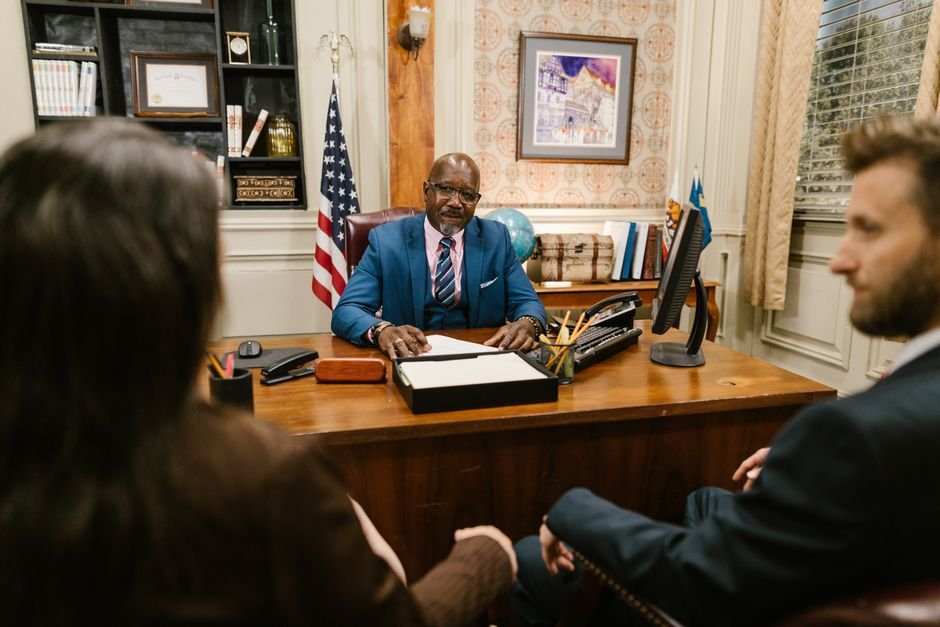
A VA-accredited claims agent reviewing benefit paperwork with a veteran across a desk

This site is independent and is not affiliated with, endorsed by, or sponsored by the U.S. Department of Veterans Affairs (VA) or any government agency. For official information, visit VA.gov.

This article is for general information only and is not medical, legal, or financial advice, and it does not create an attorney-client relationship. Consult a VA-accredited representative and your VA care team about your situation.

Choosing a VA-accredited claims agent, a Veterans Service Officer (VSO), or an accredited attorney is one of the first practical decisions a veteran faces after a mesothelioma diagnosis, and the differences between the three are easy to miss when you are also managing treatment. All three are people the VA has formally authorized to represent veterans in the disability claims process, held to the same conduct rules and the same strict limits on fees. What sets them apart is who they work for, what they cost, and the kinds of cases where each one shines. This guide breaks down each role in plain language, explains when free help is the smart choice and when paid representation earns its place, and gives you a simple way to match your situation to the right kind of help. The goal is a confident decision, not a rushed one.

A VA-accredited claims agent reviewing benefit paperwork with a veteran across a desk
All three types of representative are VA-authorized and bound by the same conduct and fee rules.

Part 1: What “accredited” means for all three

Before comparing the three roles, it helps to understand what they share. Accreditation is a status the VA grants after a person meets character and fitness standards, demonstrates knowledge of veterans law, and agrees to follow the agency’s rules. Only accredited individuals may legally help you prepare, present, and prosecute a VA claim, and the VA maintains a searchable list so you can confirm anyone’s status before you sign anything. The VA explains the system and how to verify a representative on its accredited representative page. The simple rule worth remembering: whether you choose a VSO, an agent, or a lawyer, confirm accreditation first, and never pay a stranger who cannot show it.

Part 2: The Veterans Service Officer (VSO) — free, and often all you need

A VSO is a trained representative, usually working through a veterans organization such as the VFW, DAV, American Legion, or a county veterans office, and their help is free. VSOs are accredited by the VA and can prepare and file your claim, gather evidence, submit forms, and represent you through much of the process at no charge. For a straightforward mesothelioma claim — a clear diagnosis, a documented exposure history, and Navy or shipyard service where asbestos was common — a good VSO can often handle everything from start to finish. Because mesothelioma is a presumptive condition under the PACT Act for many veterans, the paperwork is frequently more predictable than families expect. Our companion guide to how VSOs help with mesothelioma claims walks through exactly what a service officer can do for you without charging a cent.

Part 3: The VA-accredited claims agent — independent, paid, claims-focused

A VA-accredited claims agent is an individual the VA has accredited to represent veterans, but who is not an attorney and typically is not tied to a veterans organization. Agents work independently and may charge a fee, but only under the same rules that govern attorneys: generally no fee for an initial claim, with charges permitted only after the VA issues an initial decision and you move into appeals. A claims agent concentrates specifically on VA benefits work rather than the broader legal practice a lawyer maintains, which can make them a focused, knowledgeable option for developing evidence and managing a claim. The federal regulations in Title 38 set out the conduct and fee standards that apply equally to agents and attorneys. In practice, veterans often consider an agent when they want dedicated, paid help on an appeal but do not necessarily need a full law firm.

A VA-accredited claims agent explaining decision-review options to a veteran and spouse
A claims agent focuses specifically on VA benefits work rather than a broader legal practice.

Part 4: The VA-accredited attorney — for complex and contested cases

An accredited attorney is a licensed lawyer the VA has authorized to represent veterans, and they bring formal legal training to the table. Attorneys are most valuable when a case turns complicated: a denial, a low rating, a tangled exposure history, a higher-level review or Board appeal, or a contested survivor claim. In those situations, an attorney’s command of veterans law, deadlines, and evidence development can be the difference between another denial and a grant. Like agents, attorneys generally cannot charge for an initial claim and are paid only after an initial decision, often on a contingency basis tied to past-due benefits. Our detailed look at when to hire a VA-accredited attorney for mesothelioma claims covers exactly which scenarios justify paid legal representation. Remember that hiring an attorney for a VA claim is a separate matter from hiring an asbestos lawyer for a private lawsuit or trust-fund claim — those are different legal tracks.

Part 5: How fees actually work — and the rules that protect you

This is where VA accreditation protects veterans most directly, and the rules apply to agents and attorneys alike. By law, an accredited agent or attorney generally cannot charge a fee for helping with an initial claim. Fees usually become permissible only after the VA issues an initial decision and you enter the appeals process, and even then the fee must be reasonable and is subject to VA review. VSOs, by contrast, never charge at all. Whichever paid representative you consider, get the fee agreement in writing, confirm accredited status first, and never pay an upfront fee for an initial claim. If anyone asks you to, treat it as a warning sign and walk away. Free VSO help remains available throughout, so paid representation should always be a deliberate choice, not a default.

Part 6: A simple way to choose between a VA-accredited claims agent, a VSO, and an attorney

Matching the representative to the moment keeps this manageable. Consider these general patterns:

  • Start with a VSO for a first, straightforward claim. Free, accredited, and experienced with presumptive conditions, a VSO is the natural starting point for most veterans and families.
  • Consider a claims agent or attorney if you are denied or under-rated. Appeals involve legal argument and deadlines where dedicated paid help can add real value.
  • Lean toward an attorney for the most complex cases. A contested exposure history, a Board appeal, or an intricate survivor or effective-date dispute is where formal legal training matters most.
  • Keep it to one representative at a time. The VA recognizes one representative of record; switching is allowed, but you do not stack them.

If your claim was denied and you are weighing your next move, our guide to appealing a denied mesothelioma claim explains the decision-review lanes where representation tends to matter most. The VA’s overview of decision reviews and appeals describes the supplemental claim, higher-level review, and Board appeal options in detail.

Part 7: How to find and vet any representative

The vetting process is the same across all three roles. Start with the VA’s official accreditation search to confirm the person is actually accredited and in good standing. Ask how — or whether — they charge, and get any fee agreement in writing before you commit. Ask who will actually handle your file and how they communicate. For mesothelioma specifically, ask whether they have handled asbestos exposure cases, since the documentation has its own rhythm. Be cautious with aggressive advertising, guaranteed-outcome promises, and any pressure to sign immediately. A trustworthy representative — free or paid — explains your options honestly and never rushes a family that is already carrying a great deal.

Frequently Asked Questions

Is a VA-accredited claims agent the same as an attorney? No. An agent is accredited by the VA to handle benefits claims but is not a licensed lawyer. Both follow the same VA fee and conduct rules.

Which option is free? A Veterans Service Officer through the VFW, DAV, American Legion, or a county veterans office assists at no charge. Agents and attorneys may charge, but only after an initial decision.

Do I need a paid representative for a mesothelioma claim? Often not. Many first-time mesothelioma claims are filed successfully with free VSO help. Paid agents or attorneys are most useful for appeals and complex cases.

Can I switch representatives? Yes. You may change your representative of record, though the VA recognizes one at a time. Confirm the new representative is accredited before switching.

How do I confirm accreditation? Use the VA’s official accredited representative search, or ask the person for their accreditation details and verify them before signing anything.

Resources

Final Thoughts: Free Help First, Paid Help When the Stakes Rise

Choosing between a VA-accredited claims agent, a VSO, and an attorney comes down to your situation, not a ranking of who is “best.” For a straightforward first claim, free accredited VSO help is usually all you need. When a case is denied, under-rated, or genuinely complex, a paid agent or attorney can add focused expertise where it counts. Whatever you decide, confirm accreditation, get fee terms in writing, and never let anyone rush you. To see how the process fits together from the start, our overview of how a VA mesothelioma claim works maps the whole journey so you can choose your help with clear eyes.

Disclaimer: This article is for informational purposes only and does not constitute medical, legal, or financial advice, nor does it create an attorney-client relationship. VA procedures, accreditation rules, and fee limits change over time, and every claim is decided on its own facts. Always confirm current details at VA.gov and consult a VA-accredited attorney, claims agent, or Veterans Service Officer, and your VA care team, about your situation.

VA-Accredited Attorney for Mesothelioma Claims: When to Hire One and How They Help

A VA-accredited attorney for mesothelioma claims reviewing case documents with a veteran

This site is independent and is not affiliated with, endorsed by, or sponsored by the U.S. Department of Veterans Affairs (VA) or any government agency. For official information, visit VA.gov.

This article is for general information only and is not medical, legal, or financial advice, and it does not create an attorney-client relationship. Consult your VA care team and a VA-accredited representative about your situation.

A VA-accredited attorney for mesothelioma claims is a lawyer the VA has formally authorized to represent veterans in the disability claims and appeals process, held to the agency’s standards of conduct and its strict rules on fees. Mesothelioma claims are often medically straightforward once asbestos exposure is documented, so many veterans never need paid help at all. But some situations — a denial, a low rating, a tangled exposure history, or a complex survivor case — are exactly where accredited representation earns its place. This guide explains what accreditation actually means, when hiring an attorney makes sense, what such a lawyer can and cannot do, and how the fee rules protect you.

A VA-accredited attorney for mesothelioma claims reviewing case documents with a veteran
Accreditation means the VA has authorized the representative and bound them to its conduct and fee rules.

Part 1: What “VA-accredited” actually means

Accreditation is not a marketing label; it is a status the VA grants. To represent veterans before the VA, an attorney, claims agent, or Veterans Service Officer must be accredited by the agency, which means they have met character and fitness requirements, demonstrated knowledge of veterans law, and agreed to follow VA rules. The agency keeps a searchable list of accredited representatives, and you can confirm anyone’s status before you sign anything. The VA explains the accreditation system and how to verify a representative on its accredited representative page. The simple rule worth remembering: only accredited individuals may legally assist you with a VA claim, and you should always confirm status before paying a cent.

Part 2: A VA-accredited attorney is not the same as an asbestos lawyer

This distinction trips up many families. A VA-accredited attorney handles your claim against the Department of Veterans Affairs — service connection, ratings, and appeals within the VA system. An asbestos or mesothelioma lawyer, by contrast, typically pursues private claims against the companies that manufactured asbestos products, through lawsuits or asbestos bankruptcy trust funds. Those are separate tracks with separate rules, and pursuing a private claim generally does not reduce VA benefits. Some firms handle both, but they are distinct legal services. Our guide on whether veterans can claim both an asbestos trust fund and VA benefits walks through how the two paths fit together without canceling each other out.

Part 3: When you probably do not need a paid attorney

Honesty matters here: many veterans file successful mesothelioma claims with no paid lawyer at all. For a straightforward initial claim — a clear diagnosis, a documented exposure history, and Navy or shipyard service where asbestos was common — a free accredited Veterans Service Officer at the VFW, DAV, or American Legion can prepare and submit everything at no charge. Our companion guide to how the VA mesothelioma claim works, including the timeline, shows just how predictable that first-time process usually is. If your case is clean and your evidence is in order, free help is often all you need, and it is a real option, not a consolation prize.

Free accredited Veterans Service Officer helping a veteran organize claim paperwork
For a straightforward first claim, a free accredited Veterans Service Officer can often handle everything.

Part 4: When a VA-accredited attorney is worth it

Certain situations genuinely call for accredited legal representation, and recognizing them early can protect your benefits and your timeline:

  • A denial or a low rating. Appeals involve legal arguments, deadlines, and evidence development that an experienced attorney handles well.
  • A complicated exposure history. Mixed military and civilian asbestos exposure, missing service records, or a contested medical link can require careful legal and medical argument.
  • A higher-level review or Board appeal. Once a claim moves into the formal decision-review system, the stakes and the procedure both rise.
  • Complex survivor or accrued-benefit claims. Cases involving Dependency and Indemnity Compensation or benefits owed after a veteran’s death can be legally intricate.
  • Effective-date or back-pay disputes. When the date benefits begin is contested, the dollars at stake can be substantial.

In these scenarios, an attorney’s familiarity with veterans law and the appeals process can be the difference between another denial and a grant. The VA’s overview of the decision review options explains the supplemental claim, higher-level review, and Board appeal lanes where representation tends to matter most.

Part 5: What a VA-accredited attorney actually does

A good VA-accredited attorney for mesothelioma claims does more than fill out forms. They review your file for weaknesses before the VA does, identify the evidence that will carry the most weight, and develop the medical opinion that links your diagnosis to in-service exposure. They make legal arguments about service connection, ratings, and effective dates; they meet filing deadlines that a stressed family can easily miss; and they manage correspondence with the VA so your energy goes toward your health rather than paperwork. In an appeal, they frame the case the way the decision-reviewers and the Board expect to see it. What they cannot do is guarantee an outcome or speed up the VA by force — no one can promise a result, and any representative who does is a warning sign.

Part 6: How attorney fees work — and the rules that protect you

This is where VA accreditation protects veterans most directly. By law, an accredited attorney or claims agent generally cannot charge a fee for helping with an initial claim. Fees usually become permissible only after the VA issues an initial decision and you move into the appeals process, and even then the fee must be reasonable and is subject to VA review. Many veterans-law attorneys work on a contingency basis tied to past-due benefits, meaning they are paid only if they win back pay. The VA sets out these fee rules on its accreditation pages, and you should never pay an upfront fee for an initial claim. Always get the fee agreement in writing, confirm the attorney’s accredited status first, and remember that free help from a Veterans Service Officer remains available throughout.

A veteran and attorney reviewing a written fee agreement for a mesothelioma VA claim
VA fee rules generally bar charges for an initial claim; get any fee agreement in writing.

Part 7: How to find and vet an accredited attorney

Finding the right representative is a careful, unhurried process even when the diagnosis is urgent. Start with the VA’s official accreditation search to confirm anyone is actually accredited and in good standing. Look for attorneys who concentrate in veterans benefits law and who have handled asbestos or mesothelioma cases specifically, since the exposure documentation has its own rhythm. Ask how fees are structured, whether they expect to work on the existing claim or an appeal, and who in the office will actually handle your file. Be cautious with aggressive advertising, guaranteed-outcome promises, and any pressure to sign immediately. A trustworthy attorney explains your free options honestly and never rushes a grieving or unwell family into a contract.

Frequently Asked Questions

Do I need an attorney to file a VA mesothelioma claim? No. Initial claims can be filed free with help from an accredited Veterans Service Officer. Attorneys are most useful for appeals and complex cases.

How do I confirm an attorney is VA-accredited? Use the VA’s official accredited representative search, or ask the attorney for their accreditation details and verify them before signing anything.

Can a VA-accredited attorney charge for my first claim? Generally no. VA rules typically bar fees for an initial claim; fees usually apply only after an initial decision, during appeals, and must be reasonable.

Is a VA-accredited attorney the same as a mesothelioma lawyer? Not necessarily. VA accreditation covers claims against the VA; private asbestos lawsuits and trust-fund claims are a separate legal track, though some firms handle both.

What if I cannot afford an attorney? Free, accredited Veterans Service Officers through the VFW, DAV, and American Legion assist at no charge, including with many appeals.

Resources

Final Thoughts: Use Free Help First, Hire Wisely When the Stakes Rise

A VA-accredited attorney for mesothelioma claims is a powerful resource in the right circumstances — an appeal, a low rating, a complex exposure history, or a contested survivor case — but not every veteran needs one. The smartest path is usually to start with free accredited help for a straightforward first claim, then bring in a qualified veterans-law attorney if the case turns complicated or the VA gets it wrong. Whatever you decide, confirm accreditation, get fee terms in writing, and never let anyone rush you. Our overview of benefits for Navy veterans exposed to asbestos can help you map what is at stake before you choose how to pursue it.

Disclaimer: This article is for informational purposes only and does not constitute medical, legal, or financial advice, nor does it create an attorney-client relationship. VA procedures, accreditation rules, fee limits, and processing times change over time and every claim is decided on its own facts. Always confirm current details at VA.gov and consult a VA-accredited attorney, claims agent, or Veterans Service Officer, and your VA care team, about your situation.

Navy Veterans Asbestos Exposure Benefits: What Sailors and Shipyard Workers May Qualify For

A Navy veteran reviewing asbestos exposure benefits paperwork at his kitchen table

This site is independent and is not affiliated with, endorsed by, or sponsored by the U.S. Department of Veterans Affairs (VA) or any government agency. For official information, visit VA.gov.

This article is for general information only and is not medical, legal, or financial advice, and it does not create an attorney-client relationship. Consult your VA care team and a VA-accredited representative about your situation.

If you served at sea or in a shipyard before the 1980s, Navy veterans asbestos exposure benefits may be among the most important entitlements you have never fully explored. Sailors who worked in engine rooms, boiler rooms, and below decks — and the shipyard workers who built and repaired those vessels — had some of the heaviest asbestos exposure of any service group. This guide explains, in plain English, why the Navy carries such a strong exposure history, which VA benefits sailors and their families may qualify for, and how to build a claim that connects a later illness back to that service.

A Navy veteran reviewing asbestos exposure benefits paperwork at his kitchen table
Navy and shipyard service carries one of the highest asbestos exposure histories of any military group.

Part 1: Why the Navy carries such a heavy asbestos history

For most of the twentieth century, asbestos was prized as an insulator and fire retardant — exactly the qualities a warship needs. It was packed around steam pipes, boilers, turbines, pumps, and bulkheads, and woven into gaskets, valves, and insulation blankets throughout a ship. Sailors who berthed and worked in tight, poorly ventilated engineering spaces breathed asbestos fibers daily, often for years. Shipyard workers cutting, fitting, and tearing out that insulation faced the same hazard. The U.S. government’s own occupational research, summarized by the CDC’s NIOSH program, documents how shipbuilding and ship repair ranked among the most asbestos-intensive trades in the country.

Part 2: What asbestos-related illnesses the VA recognizes

Inhaled asbestos fibers can lodge in the lungs and the lining around them for decades before disease appears. The VA recognizes a range of asbestos-related conditions, including asbestosis (scarring of the lung tissue), pleural plaques and thickening, lung cancer, and mesothelioma — an aggressive cancer of the lining of the lungs or abdomen. Because these illnesses can surface thirty, forty, or even fifty years after exposure, many Navy veterans are only now developing symptoms from service that ended long ago. The National Cancer Institute describes that long latency in detail. Our broader overview of asbestos exposure VA benefits covers each recognized condition and the family entitlements that may follow.

It helps to understand that not every asbestos condition is treated the same way by the VA. Asbestosis and pleural disease are rated on how much they impair breathing — measured through pulmonary function testing — so two veterans with the same diagnosis can carry very different ratings depending on lung capacity. Cancers tied to asbestos, by contrast, are generally evaluated at the higher end while active, then reassessed on residual effects after treatment. Knowing which category a diagnosis falls into shapes what to expect from a claim, and it is one reason a careful medical record matters so much for sailors and shipyard workers seeking these benefits.

Service records and forms used to document Navy veterans asbestos exposure benefits claims
A strong claim ties the rating, the diagnosis, and a credible account of shipboard exposure together.

Part 3: How the VA establishes service connection for asbestos

To grant benefits, the VA generally needs three things: a current diagnosis, evidence of asbestos exposure in service, and a medical link between the two. The VA does not maintain a simple list of “asbestos ships,” so exposure is usually established through a combination of your military occupational specialty, your duty stations and ship assignments, and a written statement describing the work you did. Engineering ratings — boiler technicians, machinist’s mates, hull technicians, pipefitters — and shipyard occupations carry a recognized high probability of exposure, which the VA weighs when deciding a claim. The agency handles these under its special-claims framework; the VA special claims page explains how exposure-based conditions are evaluated.

Part 4: What Navy veterans asbestos exposure benefits can include

When the VA connects an asbestos illness to Navy service, several benefits can follow. Monthly disability compensation is rated by the severity of the condition — active mesothelioma, for example, is generally rated at 100%, as our guide on the mesothelioma VA disability rating explains. Service connection also opens the door to VA health care for the condition, and in many cases to additional support such as Aid and Attendance for veterans who need help with daily activities. If a veteran has since passed away from a service-connected asbestos illness, surviving spouses and dependents may qualify for survivor benefits. Together, these make up the core of Navy veterans asbestos exposure benefits.

One practical point sailors often miss: a service-connected rating is not a one-time event. Asbestos diseases tend to progress, and the VA allows veterans to file for an increased rating when a condition worsens. A boiler technician rated for mild asbestosis years ago may be entitled to a higher rating, and to additional support, as lung function declines. Reviewing an old rating against current symptoms is a worthwhile exercise for any Navy veteran whose breathing has changed.

Part 5: How the PACT Act fits in

The 2022 PACT Act expanded VA recognition of toxic-exposure conditions and made it easier for many veterans to access care and file claims. While the PACT Act is best known for burn-pit and Agent Orange provisions, it also strengthened the VA’s overall toxic-exposure framework and the screening every enrolled veteran is now offered. For Navy veterans with asbestos histories, the practical takeaway is that the VA is actively asking about toxic exposures and that the door to file or refile is open. The official PACT Act page outlines what changed and how to request a toxic-exposure screening.

Part 6: Secondary exposure for spouses and families

Asbestos did not always stay on the ship or in the yard. Fibers clung to work clothes, hair, and tools, and family members who washed those uniforms or shared a home could be exposed secondhand. This is known as secondary or household exposure, and it is a real pathway to asbestos disease for spouses and children of sailors and shipyard workers. While VA disability compensation is for the veteran’s own service-connected conditions, families affected by secondary exposure should understand the distinction and seek their own medical evaluation. Our overview of how asbestos trust funds compare with VA benefits touches on the separate avenues that may exist outside the VA system.

A Navy veteran and his spouse discussing asbestos exposure benefits and service history
Spouses and children of shipyard workers may have faced secondhand asbestos exposure at home.

Part 7: How to start a claim the right way

Begin by gathering your diagnosis records and your service history — DD-214, assignment records, and anything documenting your rating and the ships or yards where you served. Write a clear, specific statement describing your work and where the asbestos was: the spaces you berthed in, the equipment you maintained, and the materials you handled or removed. A statement from a treating physician linking your illness to that exposure carries significant weight. You do not need to navigate this alone or pay a lawyer to file: free, accredited Veterans Service Officers can help you prepare and submit the claim, and the timeline often moves faster when a condition like mesothelioma is flagged for expedited handling.

Part 8: Common reasons claims stall — and how to avoid them

Asbestos claims most often run into trouble for one of a few reasons, and each is avoidable. The first is a thin exposure statement: simply writing “I was exposed to asbestos in the Navy” gives the VA little to work with, while a detailed account of the spaces, equipment, and materials you handled gives the rater concrete facts to weigh. The second is a missing medical link — a diagnosis alone does not prove the cause, so a treating physician’s opinion connecting the illness to asbestos service is often the piece that turns a denial into a grant. The third is incomplete service documentation; assignment and personnel records that confirm time aboard ship or in a yard strengthen the picture considerably. Finally, some veterans give up after an initial denial when the right next step is an appeal or a supplemental claim with new evidence. An accredited representative can spot which of these gaps is holding a claim back, which is why looping one in early tends to produce a cleaner, faster outcome for Navy veterans pursuing asbestos exposure benefits.

Frequently Asked Questions

Does the VA have an official list of asbestos ships? No. Exposure is generally established through your occupation, assignments, and a written statement, not from a single master list of vessels.

I served decades ago — is it too late to file? No. Asbestos diseases have long latency, and there is no deadline that closes the door simply because service ended long ago. A current diagnosis is what matters.

Which Navy jobs had the most exposure? Engineering and hull ratings — boiler technicians, machinist’s mates, pipefitters, hull technicians — and shipyard trades are recognized as high-probability exposure occupations.

Can my spouse claim VA benefits for secondary exposure? VA disability compensation is for the veteran’s own service-connected conditions. Family members affected by household exposure should seek a separate medical evaluation and explore other avenues.

Do I need a lawyer to file? No. Accredited Veterans Service Officers help for free; some veterans choose an accredited attorney or claims agent for complex appeals.

Resources

Final Thoughts: Your Service Below Decks Still Counts

The sailors and shipyard workers who kept the fleet running often paid a hidden price for it, breathing asbestos in spaces no one thought twice about at the time. If you carry a diagnosis today, understanding Navy veterans asbestos exposure benefits is the first step toward the compensation, health care, and survivor support your service may entitle you to. Talk with an accredited Veterans Service Officer this week, gather your records, and put your claim in motion — your time below decks still counts.

Disclaimer: This article is for informational purposes only and does not constitute medical, legal, or financial advice, nor does it create an attorney-client relationship. VA rules, rating criteria, eligibility thresholds, and compensation amounts change over time and every claim is decided on its own facts. Always confirm current details at VA.gov and consult a VA-accredited attorney, claims agent, or Veterans Service Officer, and your VA care team, about your situation.

VA DIC for Surviving Spouses of Mesothelioma Veterans: Eligibility and How to Apply

A surviving spouse reviewing VA DIC for surviving spouses paperwork at her kitchen table

This site is independent and is not affiliated with, endorsed by, or sponsored by the U.S. Department of Veterans Affairs (VA) or any government agency. For official information, visit VA.gov.

This article is for general information only and is not medical, legal, or financial advice, and it does not create an attorney-client relationship. Consult your VA care team and a VA-accredited representative about your situation.

VA DIC for surviving spouses is a tax-free monthly payment the VA makes to eligible surviving family members when a veteran dies from a service-connected condition. For households touched by mesothelioma — an aggressive cancer the VA frequently connects to military asbestos exposure — this benefit can be one of the most meaningful forms of support a surviving spouse receives. This guide explains, in plain English, what Dependency and Indemnity Compensation is, who qualifies, how it differs from other survivor programs, and the practical steps for applying.

A surviving spouse reviewing VA DIC for surviving spouses paperwork at her kitchen table
DIC is a tax-free monthly payment for eligible survivors of veterans who died from a service-connected condition.

Part 1: What Dependency and Indemnity Compensation actually is

Dependency and Indemnity Compensation, almost always shortened to DIC, is a monthly benefit paid to the surviving spouse, dependent children, or in some cases dependent parents of a veteran whose death was related to military service. Unlike a need-based pension, DIC is not means-tested in the way a survivors pension is — it flows from the service connection of the death, not from the family’s income or assets. The VA describes the program on its DIC page, which is the authoritative starting point. Because the monthly amount is set annually, this article does not quote a fixed figure — always confirm the current rate on the official VA page.

Part 2: Who qualifies for VA DIC for surviving spouses

A surviving spouse generally qualifies if they were married to the veteran and one of the VA’s service-connection conditions is met. The most common path is that the veteran died from a service-connected condition — for asbestos-affected families, that often means mesothelioma the VA has linked to in-service exposure. There are also marriage-duration and cohabitation rules: typically the marriage must have lasted at least one year, or have produced a child, or have begun within a set period after the veteran left service. A surviving spouse who has not remarried (or who remarried after a qualifying age) usually keeps eligibility. Each case turns on its own facts, so a review with an accredited representative is the right first step.

An older widow organizing service records to support a VA DIC for surviving spouses claim
Establishing that the veteran’s death was service-connected is the heart of most DIC claims.

Part 3: When mesothelioma makes the service connection clearer

DIC turns on whether the veteran’s death was service-connected, and mesothelioma can make that link more straightforward than many families expect. If the veteran was already receiving disability compensation for service-connected mesothelioma, the connection between the disease and military asbestos exposure has, in effect, already been established, which can simplify a later DIC claim. Our overview of the mesothelioma VA disability rating explains how that rating is set during the veteran’s lifetime. Background on the disease itself is available from the National Cancer Institute, and the VA’s recognition of asbestos-related conditions is described in its special-claims guidance.

Part 4: DIC for veterans rated totally disabled before death

There is a second route to DIC that families often overlook. Even when the immediate cause of death was something other than the service-connected condition, a surviving spouse may still qualify if the veteran was continuously rated totally disabled (including by TDIU) for a service-connected condition for a defined period before death — generally ten years, or a shorter period in certain circumstances. Because many mesothelioma veterans are rated at the 100% level, this provision can matter. Our guide to VA TDIU for mesothelioma veterans explains how the total-disability rating works, which is the same rating that can open this DIC pathway for survivors.

Part 5: How VA DIC for surviving spouses differs from a survivors pension

This is the distinction that confuses families most, so it is worth slowing down on. DIC is paid because the death was service-connected, and it is not based on income or net worth. A survivors pension, by contrast, is need-based and built for surviving spouses of wartime veterans with limited income — service connection of the death is not required. The two serve different households, and a surviving spouse is generally paid under one framework rather than both. The need-based add-on for daily care, described in our guide to VA Aid and Attendance, attaches to that pension side. Sorting out which path fits is exactly the kind of question an accredited representative can answer quickly.

A surviving spouse meeting a benefits advisor to review DIC survivor benefits paperwork
A survivors pension is need-based; DIC follows from a service-connected death.

Part 6: How to apply for DIC

The core application for a surviving spouse or child is VA Form 21P-534EZ, the Application for DIC, Survivors Pension, and/or Accrued Benefits — a single form that lets the VA consider more than one survivor benefit at once. Helpful supporting documents include the veteran’s death certificate, the marriage certificate, the veteran’s service records, and medical records or a physician statement linking the death to the service-connected condition. The VA explains the filing steps on its how-to-apply page. Free help with the paperwork is available from accredited Veterans Service Officers, and using that help costs nothing. Families dealing with asbestos exposure may also find our broader guide to asbestos exposure VA benefits useful for seeing how the survivor pieces fit alongside other programs.

Part 7: Added amounts, children, and the wider household

The base DIC payment can be increased in several situations. There may be additional amounts for dependent children, for a surviving spouse who needs the regular aid and attendance of another person, or who is housebound, and a time-limited transitional amount in the first years after the veteran’s death when young children are in the home. DIC can also coordinate with other support — for example, surviving spouses and children may have access to education benefits and, separately, to Social Security survivor benefits, which follow their own rules. Because asbestos-related illness often affects the whole household, mapping the full menu early helps a family avoid leaving support on the table.

Part 8: Common mistakes that slow a DIC claim

A few avoidable errors stall these files. The most frequent is assuming DIC is automatic — it is not; a surviving spouse must apply, even when the veteran was already rated for mesothelioma. Another is thin evidence on the cause of death, where a death certificate alone does not clearly tie the death to the service-connected condition; a short physician statement can make the link explicit. Marriage-validity and remarriage questions also trip up some claims, so documenting the marriage carefully matters. Finally, some survivors delay, unsure whether they qualify; filing opens the question for a formal decision and protects an effective date. Responding promptly to every VA letter, keeping copies of everything, and leaning on free accredited help are the habits that keep things moving.

Frequently Asked Questions

Is DIC based on my income? No. DIC is paid because the veteran’s death was service-connected; it is not means-tested the way a survivors pension is. Income and net worth do not disqualify you.

Is the DIC payment taxable? No. DIC is a tax-free monthly benefit. Always confirm the current amount on VA.gov, since rates change annually.

Can I receive DIC if the veteran did not die directly from mesothelioma? Possibly. A surviving spouse may also qualify if the veteran was continuously rated totally disabled for a service-connected condition for a defined period before death.

What form do I file? VA Form 21P-534EZ lets the VA consider DIC, a survivors pension, and accrued benefits together. Include the death certificate, marriage certificate, and supporting medical evidence.

Does remarriage end my DIC? It can, but remarriage after a qualifying age may preserve eligibility. The rules are specific, so confirm your situation with an accredited representative.

Resources

Final Thoughts: A Survivor Benefit Worth Claiming

For many families, VA DIC for surviving spouses is the steady, tax-free monthly support that follows a veteran’s service-connected death — and it is too important to leave unclaimed. The benefit rewards being organized: confirm how the service connection is established, gather the death and marriage records, secure a clear physician statement on the cause of death where needed, and let an accredited representative carry the paperwork. Applied for correctly, DIC can ease real financial pressure on the spouses and children who carried so much of the care.

Disclaimer: This article is for informational purposes only and does not constitute medical, legal, or financial advice, nor does it create an attorney-client relationship. VA DIC rules, eligibility conditions, and payment amounts change over time, and every claim is decided on its own facts. Always confirm current details at VA.gov and consult a VA-accredited attorney, claims agent, or Veterans Service Officer, and your VA care team, about your situation.

VA Mesothelioma Claim: How It Works, Timeline, and What to Expect

A Navy veteran preparing his VA mesothelioma claim paperwork with help from a benefits advisor

This site is independent and is not affiliated with, endorsed by, or sponsored by the U.S. Department of Veterans Affairs (VA) or any government agency. For official information, visit VA.gov.

This article is for general information only and is not medical, legal, or financial advice, and it does not create an attorney-client relationship. Consult your VA care team and a VA-accredited representative about your situation.

A VA mesothelioma claim is the formal request a veteran makes for disability compensation after being diagnosed with mesothelioma linked to asbestos exposure during military service. Because this diagnosis is serious and time matters, knowing how the process actually works — from the first form to the decision letter — removes much of the fear from it. This guide walks through each stage in plain English: what you file, what evidence the VA looks for, how long the steps usually take, and what you can do to keep things moving.

A Navy veteran preparing his VA mesothelioma claim paperwork with help from a benefits advisor
A claim moves through intake, evidence gathering, review, and decision — and serious illness can be prioritized.

Part 1: What the claim actually asks the VA to decide

At its core, the claim asks the VA to answer three questions. First, do you have a current diagnosis of mesothelioma? Second, were you exposed to asbestos during your military service — common for Navy veterans, shipyard workers, machinists, boiler technicians, and many who served before the 1980s? Third, is the diagnosis connected to that exposure? When the answer to all three is yes, the condition is service-connected and a disability rating follows. The VA explains its approach to asbestos-related conditions on its asbestos exposure eligibility page. Background on the disease itself is available from the National Cancer Institute.

Part 2: How a VA mesothelioma claim works, step by step

The process follows a predictable sequence. You file VA Form 21-526EZ — online, by mail, or with free help from a Veterans Service Officer. The VA confirms receipt and the claim enters initial review. Next comes evidence gathering: the VA requests your service records, asks for medical records, and may schedule a Claim Exam (often called a C&P exam). A reviewer then evaluates everything, prepares a decision, and the VA mails a decision letter stating whether the condition is service-connected, the rating assigned, and the effective date. The official filing steps are described on the VA page on filing a disability claim.

Part 3: The evidence that carries the most weight

Three kinds of evidence do most of the work in a VA mesothelioma claim. Your service records establish where you served and what you did — the ships, shipyards, engine rooms, and construction roles where asbestos was common. Your medical records establish the diagnosis, usually through pathology and imaging reports. And a medical opinion ties the two together, stating that the disease is at least as likely as not related to asbestos exposure in service. Because mesothelioma typically appears decades after exposure, a clear written exposure history — dates, locations, duties, and the products you worked around — is often the piece that makes the difference.

Service records and medical files gathered as evidence for a VA mesothelioma claim
Service records, the diagnosis, and a linking medical opinion are the three pillars of the file.

Part 4: The timeline — and how serious illness changes it

VA claims in general take several months from filing to decision, and the VA publishes its current average processing time on its claims pages. The number that matters more here: the VA can prioritize claims for veterans with terminal illnesses, advanced age, or financial hardship. A mesothelioma diagnosis generally qualifies for priority processing when the claim is flagged — you, your representative, or your doctor can ask for it. Many veterans see flagged claims decided in weeks rather than months, though no timeline is ever guaranteed. Our companion guide covers expedited processing and checking your status in more depth.

Part 5: What to expect at the Claim Exam

If the VA schedules a Claim Exam, a clinician will review your records, ask about your symptoms and history, and may perform breathing tests. The exam is not a treatment visit; its purpose is to document the condition for the rating decision. Be plain and complete about your worst days, not just your best ones. Missing the exam can delay or hurt the claim, so reschedule promptly if you cannot attend. For veterans too ill to travel, the VA can sometimes complete the review from existing records — your representative can raise this.

Part 6: The decision letter and the rating

The decision letter states whether service connection is granted, the disability percentage, and the date benefits begin. Because mesothelioma is an active malignancy, it is generally evaluated at the highest level while under treatment; our guide to the 100% rating for mesothelioma explains how that evaluation is set and reviewed over time. Compensation amounts change annually, so always check the current figures on the official VA rate tables rather than relying on numbers in articles.

A veteran and his spouse reading the decision letter on a VA mesothelioma claim at home
The decision letter sets out service connection, the rating, and the effective date.

Part 7: If the decision is wrong — and who can help

A denial or a low rating is not the end of the road. The VA decision-review system offers a supplemental claim with new evidence, a higher-level review, or an appeal to the Board of Veterans’ Appeals. Free help is available from accredited Veterans Service Officers, and some families choose paid representation for complex files; our guide on when an accredited attorney makes sense walks through that choice. The claim is also only one piece of the picture — health care, survivor benefits, and other programs are covered in our overview of what veterans and families exposed to asbestos may qualify for.

Part 8: Practical ways to keep things moving

A few habits consistently shorten the road for a VA mesothelioma claim. Respond to every VA letter quickly — requests for information have deadlines, and silence stalls the file. Use the intent-to-file option if you need time to gather records, because it preserves your effective date while you prepare. Keep copies of everything you send, and submit records yourself when you can rather than waiting on third parties. If your health changes, tell the VA and your representative immediately so the priority flag and the medical evidence stay current. Small administrative discipline, applied early, often saves months at the end.

Frequently Asked Questions

Can I file while I am still in treatment? Yes. There is no need to wait until treatment ends, and filing sooner generally protects an earlier effective date.

What if I do not have my service records? The VA will request federal records for you, and a Veterans Service Officer can help reconstruct an exposure history from ship assignments, duty stations, and job classifications.

How do I check the status of a VA mesothelioma claim? You can track it through your account on the VA claim status tool, by phone, or through your representative.

Does it cost anything to file? No. Filing is free, and accredited Veterans Service Officers help at no charge. Accredited attorneys and claims agents may charge fees only under VA rules, usually for reviews and appeals.

Can my family file if I cannot? A spouse, caregiver, or representative can help prepare the claim, and survivors may have their own separate benefits if a veteran passes away.

Resources

Final Thoughts: File Early, Flag the Diagnosis, Get Help

A VA mesothelioma claim is more straightforward than most people fear: three questions, a predictable sequence, and a system that can move quickly when serious illness is flagged. The most useful steps you can take this week are simple ones — write down your exposure history while details are fresh, gather your diagnosis records, file rather than wait, and let an accredited representative carry the procedural weight so your energy goes where it belongs.

Disclaimer: This article is for informational purposes only and does not constitute medical, legal, or financial advice, nor does it create an attorney-client relationship. VA procedures, processing times, and compensation amounts change over time and every claim is decided on its own facts. Always confirm current details at VA.gov and consult a VA-accredited attorney, claims agent, or Veterans Service Officer, and your VA care team, about your situation.

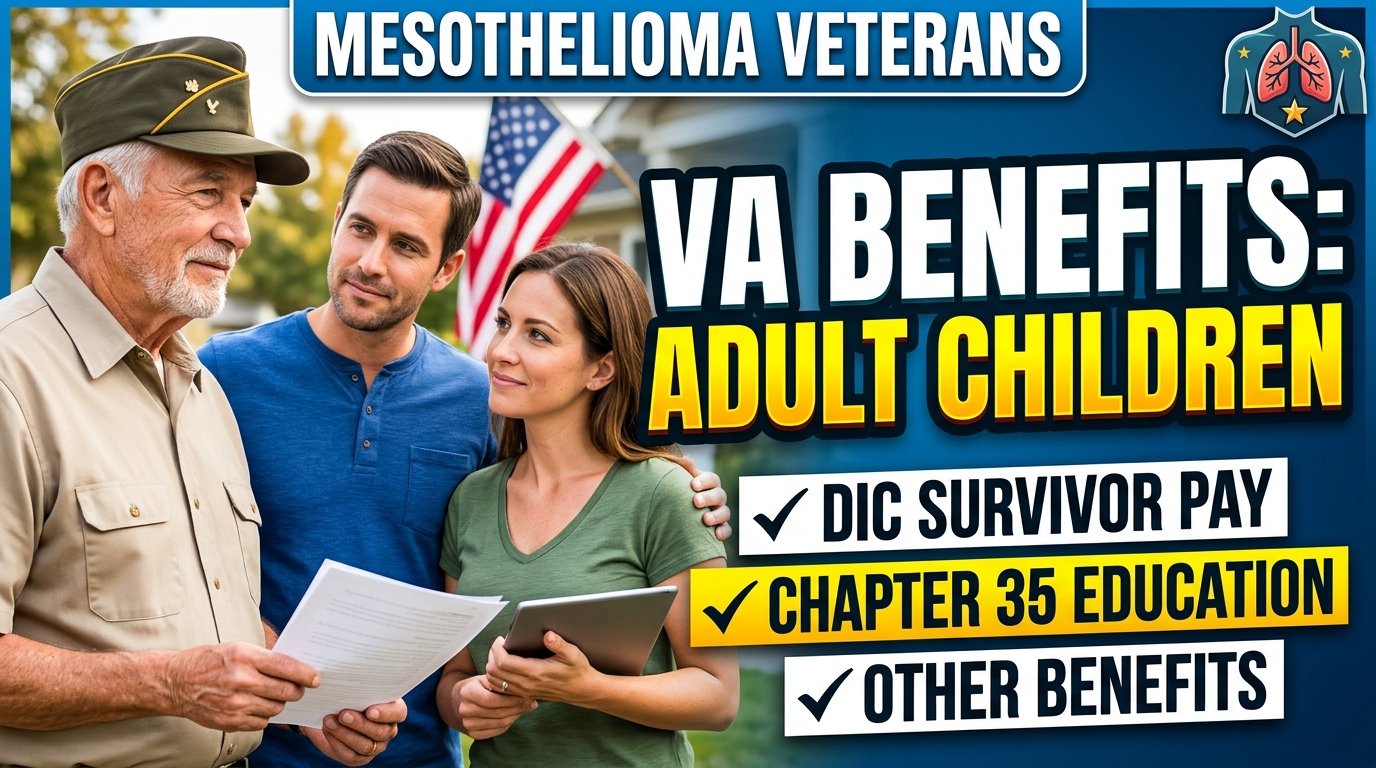
VA Benefits for Adult Children of Veterans with Mesothelioma: Dependency, Education, and Survivor Benefits

The Forgotten Dependents

Your parent served in the military. They were exposed to asbestos. Decades later, they were diagnosed with mesothelioma. You watched them fight. You helped them through treatment. You held their hand at the end.

Now they are gone. And you are left with grief, memories, and questions. Do you qualify for any VA benefits? Can you get help with college? Is there any financial assistance for adult children?

The answers are complicated. The VA’s benefits for adult children are more limited than for spouses. But there are programs that can help – with education, health care, and in some cases, monthly compensation.

This guide will walk you through everything you need to know about VA benefits for adult children of veterans who died from mesothelioma. You will learn about Chapter 35 education benefits, CHAMPVA health insurance, DIC for children, and other programs.

No complicated government language. No confusion. Just clear, honest information to help you navigate the benefits you may be eligible for.


Part 1: Overview of VA Benefits for Adult Children

The VA offers several benefits to surviving children of veterans who died from service-connected conditions like mesothelioma.

BenefitWhat It ProvidesEligibility
Chapter 35 (DEA)Monthly payments for college or job trainingAges 18-26 (some exceptions)
CHAMPVAHealth insurance coverageUnder 18 (or 18-23 if in school)
DIC for ChildrenMonthly compensation for disabled childrenAny age (if disabled before 18)
Burial benefitsHeadstone, flag, presidential certificateAll children (as next of kin)
Accrued benefitsBack pay owed to the veteranAll children (if no spouse)

Important: For adult children (age 18 and over), the most important benefit is Chapter 35 (DEA)education benefits. CHAMPVA generally ends at age 18 (or 23 if in school). DIC for children is only for children who became disabled before age 18.


Part 2: Chapter 35 – Survivors’ and Dependents’ Educational Assistance (DEA)

What Is Chapter 35?

Chapter 35 of the VA benefits code is also called Survivors’ and Dependents’ Educational Assistance (DEA) . It provides monthly payments to the surviving children (and spouses) of veterans who:

  • Died from a service-connected condition (mesothelioma qualifies), OR
  • Are permanently and totally disabled from a service-connected condition

For adult children of mesothelioma veterans, Chapter 35 is the most valuable benefit.

Who Is Eligible for Chapter 35?

You are eligible if:

  • Your parent served in the military, AND
  • Your parent died from a service-connected condition (mesothelioma), AND
  • You are the biological child, adopted child, or stepchild of the veteran, AND
  • You are between the ages of 18 and 26 (some exceptions apply)

Age Exceptions

  • You can start using Chapter 35 benefits at age 18 (or younger if you have graduated high school)
  • You can use benefits until age 26
  • If you are in the military, you can have benefits paused and resume later
  • In rare cases, extensions beyond age 26 are available for certain circumstances

What Education Programs Are Covered?

  • College or university (undergraduate and graduate degrees)
  • Vocational and technical training (trade schools, certificate programs)
  • Apprenticeships and on-the-job training
  • Correspondence courses
  • Flight training (with certain restrictions)
  • High school equivalency (GED) preparation

How Much Does Chapter 35 Pay?

The monthly payment depends on your enrollment status and type of training.

2026 Monthly Payment Rates (Estimated):

Enrollment StatusMonthly Payment
Full-time (12+ credit hours)$1,488.00
Three-quarter time (9-11 credit hours)$1,116.00
Half-time (6-8 credit hours)$744.00
Less than half-time (1-5 credit hours)Tuition and fees only (no monthly payment)

Apprenticeship/OJT rates: Vary based on length of training, starting at 75% of full-time rate and decreasing over time.

How Long Can You Use Chapter 35?

You have 45 months of full-time benefits. This is equivalent to about 4 years of college.

How to Apply for Chapter 35

Step One: Gather your documents.

  • Your birth certificate (proving you are the veteran’s child)
  • Your parent’s death certificate (showing mesothelioma as cause of death)
  • Your parent’s DD214
  • Your parent’s VA rating decision (if available)

Step Two: Complete VA Form 22-5490 (Application for Survivors’ and Dependents’ Educational Assistance).

Step Three: Submit online at VA.gov, by mail, or with help from a VSO.

Step Four: Once approved, you will receive a Certificate of Eligibility (COE). Bring this to your school’s financial aid office.

Important Tips

  • Apply early: Processing can take 2-3 months.
  • Coordinate with other aid: Chapter 35 can be used with other financial aid (Pell Grants, scholarships, student loans).
  • It is not retroactive: You do not get paid for semesters before you apply.

Part 3: CHAMPVA Health Insurance for Children

What Is CHAMPVA?

CHAMPVA (Civilian Health and Medical Program of the Department of Veterans Affairs) is a health insurance program for dependents of veterans who are permanently and totally disabled or who died from a service-connected condition.

Who Is Eligible for CHAMPVA as a Child?

You are eligible if:

  • Your parent died from a service-connected condition (mesothelioma), AND
  • You are the biological child, adopted child, or stepchild of the veteran, AND
  • You are under 18 years old, OR
  • You are between 18 and 23 and attending school full-time, OR
  • You became permanently disabled before age 18

What Does CHAMPVA Cover?

  • Doctor visits and specialist consultations
  • Hospital stays
  • Emergency room care
  • Prescription medications
  • Mental health care
  • Physical therapy
  • Durable medical equipment
  • Well-child visits and immunizations

What Does CHAMPVA Cost?

  • Annual deductible: 50perperson,50perperson,100 per family
  • Cost-share: 25% of covered services (after deductible)
  • Out-of-pocket maximum: $3,000 per year

When CHAMPVA Ends for Children

  • Age 18: Coverage ends unless you are still in high school (then coverage continues until graduation)
  • Age 23: Coverage ends for full-time students
  • No age limit: For children who were permanently disabled before age 18

How to Apply for CHAMPVA

Complete VA Form 10-7959c (Application for CHAMPVA Benefits). Submit by mail to the VA CHAMPVA Center in Denver, Colorado.


Part 4: DIC for Children (Dependency and Indemnity Compensation)

What Is DIC for Children?

Dependency and Indemnity Compensation (DIC) is a monthly, tax-free payment to surviving family members of veterans who died from service-connected conditions. For children, DIC is generally only available to children who are permanently disabled.

Who Is Eligible for DIC as a Child?

You are eligible for DIC if:

  • Your parent died from a service-connected condition (mesothelioma), AND
  • You are the biological child, adopted child, or stepchild of the veteran, AND
  • You are a minor (under 18), OR
  • You are between 18 and 23 and in school, OR
  • You are any age and became permanently disabled before age 18

How Much Does DIC Pay for Children?

SituationMonthly Payment (2026)
One child (no surviving spouse)600−600−800 (estimated)
Two children (no surviving spouse)800−800−1,000 (estimated)
Additional children+150−150−200 per child

Note: If there is a surviving spouse, the payment goes to the spouse, not the children. Children may receive additional amounts added to the spouse’s DIC.

DIC for Adult Children with Disabilities

If you became permanently disabled before age 18, you can receive DIC for your entire life. You must provide:

  • Medical records documenting your disability
  • Evidence that the disability began before age 18
  • Evidence that you are unable to support yourself

Part 5: Accrued Benefits (Back Pay)

What Are Accrued Benefits?

When a veteran dies while a VA claim is pending, or if they die after filing a claim but before receiving payment, the money owed to them becomes accrued benefits. This money can be paid to surviving family members.

Who Qualifies for Accrued Benefits?

  • The surviving spouse (first priority)
  • Surviving children (if no spouse)
  • Surviving parents (if no spouse or children)

How to Claim Accrued Benefits

Complete VA Form 21P-601 (Application for Accrued Benefits). Submit it to the VA. You will need the veteran’s death certificate and claim information.


Part 6: VA Burial Benefits for Adult Children

As the surviving child of a veteran, you may be responsible for arranging your parent’s burial. The VA offers burial benefits that can help.

Burial Benefits Available

  • Reimbursement of burial expenses: Up to $2,000 for service-connected death (mesothelioma qualifies)
  • Headstone or marker: Free for any veteran
  • Burial flag: Free
  • Presidential Memorial Certificate: Free
  • National cemetery burial: Free gravesite, opening/closing, and perpetual care

How to Apply for Burial Benefits

Work with the funeral home. They can handle most of the paperwork. You can also apply directly through the VA National Cemetery Scheduling Office at 1-800-535-1117.


Part 7: State Veterans Benefits for Adult Children

Many states offer education benefits for children of veterans, including those who died from service-connected conditions.

Common State Benefits

  • Free or reduced tuition at state colleges and universities
  • Education grants specifically for children of deceased veterans
  • Veterans preference for state jobs (for children of veterans)

How to Find State Benefits

Search online for “[your state] veterans benefits for dependents” or contact your state’s Department of Veterans Affairs.

Prominent State Programs

  • Texas (Hazlewood Act): Children of deceased veterans can receive up to 150 credit hours of free tuition at Texas public colleges.
  • Florida: Children of deceased veterans may be eligible for tuition waivers at Florida public colleges.
  • California: Dependent fee waiver for children of deceased veterans at California public colleges.
  • Illinois: Illinois Veteran Grant for children of deceased veterans.

Part 8: Social Security Survivor Benefits

In addition to VA benefits, adult children may be eligible for Social Security survivor benefits.

Who Qualifies for Social Security Survivor Benefits?

  • You are the unmarried child of a deceased parent, AND
  • You are under 18 (or under 19 and still in high school), OR
  • You are any age and became disabled before age 22

How Much Does Social Security Pay?

Benefits are based on the parent’s earnings history. The average monthly benefit for a child is approximately 800−800−1,200.

How to Apply for Social Security Survivor Benefits

Contact the Social Security Administration at 1-800-772-1213 or visit www.ssa.gov.


Frequently Asked Questions

How long do I have to use Chapter 35 benefits?
You have until age 26 to use your benefits. Some exceptions exist for military service.

Can I use Chapter 35 for graduate school?
Yes. Chapter 35 benefits can be used for master’s degrees, PhDs, and professional programs (law school, medical school).

What if I am over 26 and never used Chapter 35?
In most cases, you have lost your benefits. However, there are exceptions for veterans who were on active duty or had other extenuating circumstances.

Can I receive Chapter 35 and Social Security survivor benefits at the same time?
Yes. They are separate programs. One does not affect the other.

What if my parent did not have a VA rating before they died?
You can still apply for survivor benefits. The VA will determine if your parent’s mesothelioma was service-connected as part of your application.

Where can I get help with my application?
Contact a Veterans Service Officer (VSO) from the American Legion, VFW, or DAV. Their services are free.


Resources


Final Thoughts: You Are Not Forgotten

Losing a parent to mesothelioma is devastating. The grief is heavy. But you are not forgotten. The VA offers benefits to help you pursue your education, access health care, and in some cases, receive monthly financial support.

Chapter 35 can pay for college or trade school. CHAMPVA can provide health insurance until age 23. State programs may offer free tuition. Social Security may provide survivor benefits.

Do not assume you do not qualify. Check. Apply. Get the benefits you and your family have earned through your parent’s service and sacrifice.


Disclaimer: This article provides general information about VA benefits for adult children of veterans who died from mesothelioma. It does not constitute legal advice or official VA guidance. VA benefits rules change. Every situation is different. Always consult with a qualified Veterans Service Officer, VA-accredited attorney, or the VA directly about your specific situation.

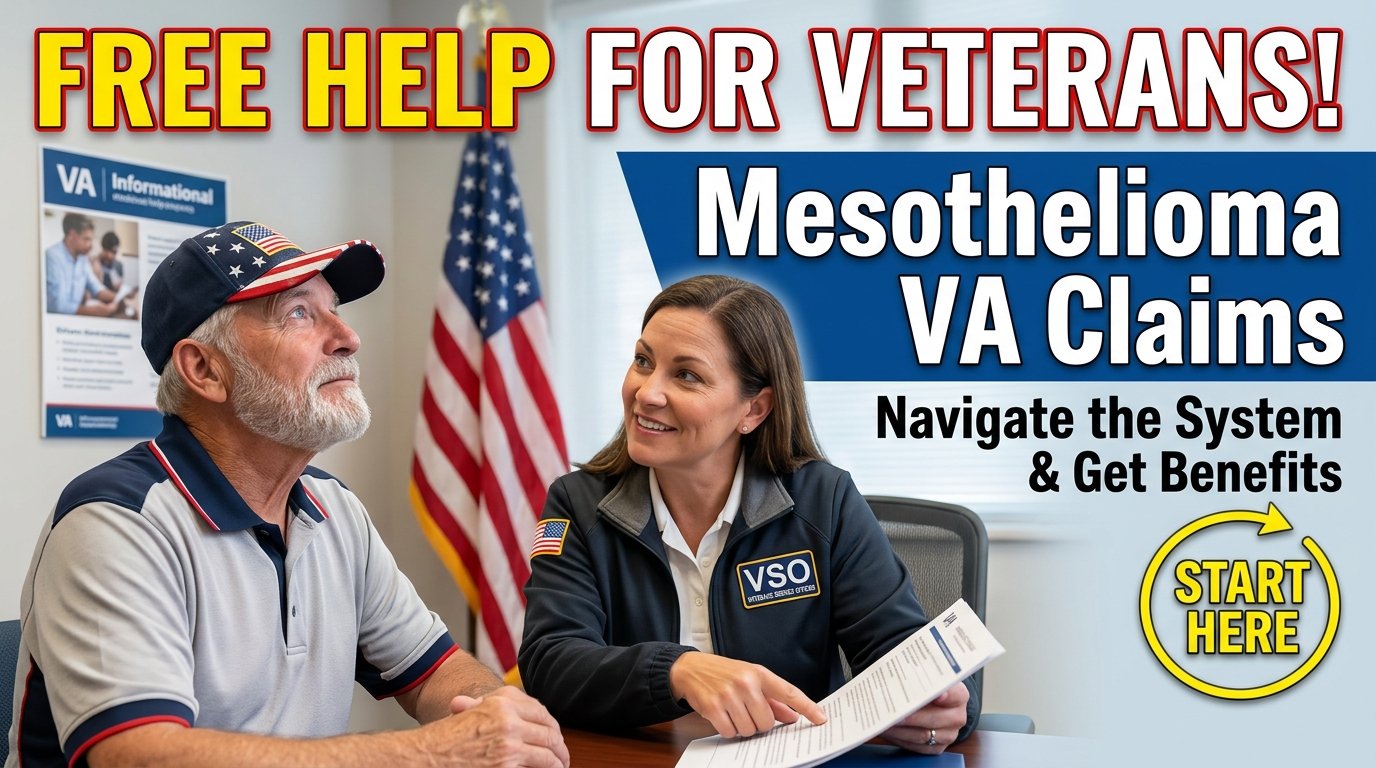
Veterans Service Officers for Mesothelioma Claims: Free Help to Navigate the VA System and Get Your Benefits

The Guide You Need

You have mesothelioma. You have filed a VA claim. Or you are trying to file. But the forms are confusing. The deadlines are stressful. The VA keeps asking for more evidence. You are sick. You are tired. You do not have the energy for this.

You need help.

Here is what you need to know. There are people whose job is to help veterans like you. They are called Veterans Service Officers (VSOs) . They are trained, accredited professionals who help veterans file VA claims for free. They know the forms. They know the deadlines. They know what evidence the VA needs. And they will fight for you.

For veterans with mesothelioma, a VSO can be the difference between a denied claim and an approved claim. Between waiting years and getting benefits in months. Between giving up and getting what you deserve.

This guide will walk you through everything you need to know about VSOs for mesothelioma claims. You will learn what a VSO does, how to find one, what questions to ask, and how to work with them effectively.

No complicated government language. No confusion. Just clear, honest information to help you get the help you need.


Part 1: What Is a Veterans Service Officer (VSO)?

The Simple Explanation

A Veterans Service Officer (VSO) is a trained, accredited professional who helps veterans and their families file VA claims. VSOs work for:

  • Veterans service organizations (American Legion, VFW, DAV, AmVets, etc.)
  • State or county veterans affairs departments
  • Tribal governments

VSOs are accredited by the VA. This means they have passed a test and completed training. They know the VA system inside and out.

What VSOs Do

  • Help you understand your VA benefits
  • Gather your evidence (service records, medical records)
  • Complete and file VA forms
  • Submit your claim electronically
  • Track the status of your claim
  • Respond to VA requests for more information
  • Help you appeal denied claims
  • Represent you before the VA

What VSOs Do NOT Do

  • Provide legal advice (unless they are also attorneys)
  • Handle lawsuits against asbestos companies (you need a separate attorney for that)
  • Guarantee your claim will be approved (no one can)
  • Charge you for their services (VSOs are free)

Part 2: Why You Need a VSO for a Mesothelioma Claim

The VA System Is Complicated

The VA claims process is notoriously complex. There are dozens of forms. There are strict deadlines. There are specific rules for what evidence is accepted. A small mistake can delay your claim by months or years.

Mesothelioma Claims Have Special Considerations

Mesothelioma claims have unique challenges that a VSO understands:

  • Long latency period: Exposure happened decades ago. Evidence can be hard to find.
  • Secondary exposure: Many family members were exposed through a veteran’s work clothes. Proving secondary exposure requires specific evidence.
  • PACT Act presumptions: The PACT Act made mesothelioma presumptive for many veterans, but you need to cite it correctly.
  • Expedited processing: Veterans with terminal illnesses can request faster processing. A VSO knows how.

VSOs Are Free

Unlike lawyers (who charge a percentage of your back pay), VSOs are completely free. They are paid by their parent organization (American Legion, VFW, state government, etc.). You pay nothing.

VSOs Have Relationships with the VA

Experienced VSOs work with the VA every day. They know the VA staff at your regional office. They know who to call when a claim is stuck. They know how to escalate issues.


Part 3: Types of VSOs

Service Organization VSOs

These VSOs work for national veterans service organizations.

OrganizationFocusContact
DAV (Disabled American Veterans)All veterans, especially disableddav.org
American LegionAll veteranslegion.org
VFW (Veterans of Foreign Wars)Combat veteransvfw.org
AmVetsAll veteransamvets.org
Paralyzed Veterans of AmericaVeterans with spinal cord injuriespva.org

State and County VSOs

Many states and counties employ their own VSOs. These VSOs are often located at:

  • State veterans affairs departments
  • County veterans service offices
  • Local VA clinics or hospitals

Advantage: They are local. You can meet them in person.

Disadvantage: They may have less experience with complex mesothelioma claims.

Tribal VSOs

Native American veterans can work with VSOs from tribal governments.


Part 4: How to Find a VSO

Method 1: Use the VA’s VSO Locator

The VA has an online tool to find accredited VSOs near you.

Steps:

  1. Go to www.va.gov/ogc/apps/accreditation/
  2. Enter your zip code
  3. Review the list of accredited VSOs in your area
  4. Contact the organization to make an appointment

Method 2: Contact a National Organization Directly

Call the national organization’s helpline. They will connect you with a local VSO.

  • DAV: 1-877-426-2838
  • American Legion: 1-800-433-3318
  • VFW: 1-833-839-4389

Method 3: Visit Your Local VA Medical Center

Most VA medical centers have a VSO office. Ask at the information desk.

Method 4: Contact Your State Veterans Affairs Department

Search online for “[your state] veterans affairs department” and ask for VSO assistance.


Part 5: What to Look for in a VSO for a Mesothelioma Claim

Not all VSOs are the same. Some have more experience with mesothelioma and asbestos claims than others.

Questions to Ask Before Choosing a VSO

Experience:

  • How many mesothelioma claims have you handled?
  • How many asbestos-related claims have you handled?
  • How long have you been a VSO?

PACT Act knowledge:

  • Are you familiar with the PACT Act presumptive conditions?
  • Do you know how to cite the PACT Act on a mesothelioma claim?

Secondary exposure experience:

  • Have you handled secondary exposure claims for family members?
  • Do you know what evidence is needed?

Appeals experience:

  • Have you handled appeals for denied mesothelioma claims?
  • What is your success rate on appeals?

Availability:

  • How quickly can you get my claim filed?
  • Will you be my primary contact, or will I be passed to different people?
  • How do I reach you (phone, email, in person)?

Red Flags to Watch For

  • Guarantees approval: No one can guarantee a claim will be approved.
  • Asks for money: VSOs are free. If someone asks for money, they are not a legitimate VSO.
  • Pressures you to use a specific law firm: Some VSOs have relationships with law firms. That is fine, but you should not feel pressured.
  • Does not return calls: If a VSO is too busy to respond, find another.

Part 6: What to Bring to Your VSO Appointment

When you meet with a VSO, come prepared. Bring as much of the following as possible.

Personal Information

  • Your Social Security number
  • Your VA claim number (if you have one)
  • Your contact information

Service Records

  • Your DD214 (military discharge papers)
  • Any other service records (orders, evaluations, awards)

Medical Records

  • Your mesothelioma diagnosis (biopsy report)
  • Imaging results (CT, MRI, PET scans)
  • Treatment records (surgery, chemotherapy, radiation, immunotherapy)
  • Doctor’s notes and progress reports

Exposure Evidence (Direct Exposure)

  • Ship names and dates of service
  • Duty stations and job descriptions
  • Any records showing asbestos exposure

Exposure Evidence (Secondary Exposure)

  • The veteran’s DD214
  • Your relationship to the veteran (marriage certificate, birth certificate)
  • Evidence that you lived with the veteran
  • Witness statements from family members

Other Documents

  • VA rating decision letters (if you have filed before)
  • Denial letters (if you are appealing)

Do not worry if you do not have all of this. A good VSO will help you find what you need.


Part 7: How a VSO Helps with a Mesothelioma Claim

Here is what you can expect when you work with a VSO on a mesothelioma claim.

Step One: Intake and Assessment

The VSO will review your situation. They will ask about:

  • Your military service
  • Your asbestos exposure
  • Your mesothelioma diagnosis
  • Any previous VA claims

They will tell you if you have a valid claim and what benefits you may be eligible for.

Step Two: Evidence Gathering

The VSO will help you gather:

  • Your service records (requesting from National Archives if needed)
  • Your medical records (requesting from your doctors)
  • Exposure evidence (ship records, witness statements)
  • Nexus letters (doctor’s opinions linking your mesothelioma to service)

Step Three: Completing the Forms

The VSO will complete VA Form 21-526EZ (or the appropriate form for your claim). They will make sure:

  • All sections are filled out correctly
  • The PACT Act is cited if applicable
  • Secondary exposure is properly documented
  • No mistakes that could delay your claim

Step Four: Submitting the Claim

The VSO will submit your claim electronically through the VA’s system. Electronic submission is faster than mail.

Step Five: Tracking and Follow-Up

The VSO will track your claim. They will respond to VA requests for more information. They will call the VA if your claim is delayed.

Step Six: Assisting with Appeals

If your claim is denied, the VSO will help you appeal. They will help you gather new evidence and file the appropriate appeal forms.


Part 8: VSOs vs. VA-Accredited Attorneys

For mesothelioma claims, you have two options: VSOs (free) or VA-accredited attorneys (fee-based). Here is how they compare.

FeatureVSOVA-Accredited Attorney
CostFreeFee (usually 20-33% of back pay, capped by law)
Legal adviceNo (cannot give legal advice)Yes
Representation before VAYesYes
Representation in lawsuitsNoYes (for asbestos lawsuits)
Experience with complex claimsVariesGenerally high
Best forStraightforward claims, initial filingsDenied claims, complex appeals, legal issues

When to Use a VSO

  • Initial claim filing: A VSO can handle most initial mesothelioma claims.
  • Straightforward exposure: If you served on a Navy ship or in a high-risk job, a VSO is usually enough.
  • You cannot afford an attorney: VSOs are free.

When to Use an Attorney

  • Your claim was denied: An attorney can help with complex appeals.
  • Secondary exposure: Secondary exposure claims are more complex. An attorney may be helpful.
  • You need legal advice: VSOs cannot give legal advice. Attorneys can.
  • You also have an asbestos lawsuit: Many mesothelioma attorneys handle both VA claims and asbestos lawsuits.

Part 9: Can a VSO Help with Secondary Exposure Claims?

Yes. VSOs can help with secondary exposure claims. However, secondary exposure claims are more complex than direct exposure claims. Choose a VSO who has experience with secondary exposure.

What a VSO Can Do for Secondary Exposure Claims

  • Help you gather evidence of the veteran’s exposure
  • Help you document your relationship to the veteran
  • Help you get a strong nexus letter from your doctor
  • File the claim correctly

When You Might Need an Attorney for Secondary Exposure

  • The VA denies your claim
  • The veteran’s service records are missing
  • You need to argue a complex legal point

Frequently Asked Questions

How much does a VSO cost?
Nothing. VSOs are free. They are paid by their parent organization (American Legion, VFW, state government, etc.).

Can a VSO guarantee my claim will be approved?
No. No one can guarantee VA claim approval. A good VSO can give you a realistic idea of your chances.

How long does it take to work with a VSO to file a claim?
The initial appointment takes 1-2 hours. Filing the claim takes 1-2 weeks, depending on how quickly you can gather your evidence.

Can I switch VSOs if I am not happy?
Yes. You can change VSOs at any time. Just inform your new VSO that you are switching.

Can I have both a VSO and an attorney?
No. You can only have one accredited representative at a time. Choose whichever is right for your situation.

What if there are no VSOs near me?
Many VSOs work remotely. You can work with a VSO by phone and email. Contact a national organization (DAV, American Legion, VFW) for help.


Resources


Final Thoughts: You Do Not Have to Do This Alone

You have mesothelioma. You are tired. You are in pain. You are worried about your family. The last thing you need is to fight the VA bureaucracy by yourself.

You do not have to.

A Veterans Service Officer can help. They are trained. They are accredited. They are free. They know the forms. They know the deadlines. They know what evidence the VA needs.

Do not let pride or confusion stop you from getting help. Contact a VSO today. Get your claim filed. Get the benefits you deserve.

You served your country. Now let a VSO serve you.


Disclaimer: This article provides general information about Veterans Service Officers and VA claims for mesothelioma. It does not constitute legal advice or official VA guidance. VA benefits rules change. Every veteran’s situation is different. Always consult with a qualified Veterans Service Officer, VA-accredited attorney, or the VA directly about your specific situation. If you have been diagnosed with mesothelioma, speak with a doctor immediately and contact a VA-accredited VSO or attorney to understand your benefits.

Secondary Asbestos Exposure VA Claims: How Family Members and Household Contacts Can Get VA Benefits

The Invisible Victims

You never served in the military. You never worked in a shipyard or a construction site. You never handled asbestos directly. But you have mesothelioma. How is that possible?

Your father served in the Navy. Your husband worked as a mechanic. Your brother was a pipefitter. They came home every day covered in invisible asbestos fibers. You washed their uniforms. You hugged them hello. You sat next to them on the couch. You breathed in the same fibers they brought home from work.

Decades later, you are the one who is sick.

This is called secondary asbestos exposure or take-home asbestos exposure. And yes, the VA recognizes it. Family members and household contacts of veterans who were exposed to asbestos during service may be eligible for VA benefits if they developed mesothelioma.

This guide will walk you through everything you need to know about secondary asbestos exposure VA claims. You will learn who qualifies, how to prove exposure, what evidence you need, and how to apply for compensation.

No complicated government language. No confusion. Just clear, honest information to help you get the benefits you deserve.


Part 1: What Is Secondary Asbestos Exposure?

The Simple Explanation

Secondary asbestos exposure happens when a person who does not work with asbestos directly is exposed through someone who does. The asbestos fibers stick to the worker’s:

  • Work clothes (uniforms, coveralls, jackets, pants)
  • Shoes and boots
  • Hair and skin
  • Personal items (lunch boxes, tools, bags)

When the worker comes home, those fibers become airborne. Family members breathe them in. The fibers settle on furniture, carpets, and bedding. Over time, family members inhale enough asbestos to develop mesothelioma, lung cancer, or asbestosis.

How Common Is Secondary Exposure?

Studies show that secondary exposure is a significant problem. Research indicates that:

  • 2-5 percent of all mesothelioma cases are caused by secondary exposure
  • Wives of asbestos workers have a much higher rate of mesothelioma than the general population
  • Children who grew up in households with asbestos workers have elevated rates of asbestos-related diseases

Who Is at Risk for Secondary Exposure?

  • Wives and husbands of veterans who worked around asbestos
  • Children who lived with veterans who worked around asbestos
  • Parents who lived with veterans who worked around asbestos
  • Siblings who shared a home with veterans who worked around asbestos
  • Roommates who lived with veterans who worked around asbestos

Part 2: The Different Types of Secondary Exposure

Laundry-Related Exposure

This is the most common type of secondary exposure. The family member (usually a wife or mother) would shake out, wash, and fold the veteran’s asbestos-laden work clothes. Each time, fibers became airborne.

High-risk activities:

  • Shaking out work clothes before washing
  • Hand-washing uniforms (before washing machines were common)
  • Sorting and folding contaminated laundry
  • Ironing work clothes (heat releases fibers)

Direct Contact Exposure

Family members were exposed by simply being near the veteran.

  • Hugging the veteran when they came home from work
  • Sitting on the veteran’s lap
  • Sleeping in the same bed
  • Sharing a car
  • The veteran carrying the family member while still in work clothes

Household Contamination

Asbestos fibers settled throughout the home. They accumulated on:

  • Furniture (couches, chairs, beds)
  • Carpets and rugs
  • Curtains and drapes
  • Kitchen counters and tables
  • Bathroom surfaces

Children who crawled or played on floors were at especially high risk.

Vehicle Exposure

Many veterans drove home from work in their own cars while still in work clothes. The car interior became contaminated. Family members riding in the car were exposed.


Part 3: Which Veterans Had the Highest Risk of Bringing Asbestos Home?

Not every veteran posed the same risk to their family. Veterans who worked in certain jobs were more likely to bring asbestos home.

Highest-Risk Jobs for Secondary Exposure

  • Navy personnel (especially those who served on ships built before 1983)
  • Shipyard workers (military and civilian)
  • Construction workers (military construction battalions)
  • Insulators (military and civilian)
  • Pipefitters and steamfitters
  • Boiler tenders and machinist’s mates
  • Electrician’s mates
  • Mechanics (military vehicle maintenance)
  • Demolition workers

Why Navy Veterans Pose the Highest Risk

Navy veterans were surrounded by asbestos on ships. Their uniforms were heavily contaminated. They often wore the same uniforms for days or weeks. They slept in barracks or on the ship, then came home on leave still wearing the same clothes.

For these reasons, family members of Navy veterans have the highest rates of secondary exposure mesothelioma.


Part 4: Can You Receive VA Benefits for Secondary Exposure?

The Short Answer

Yes. The VA recognizes secondary asbestos exposure as a valid basis for service connection. However, the rules are different than for direct exposure.

The Long Answer

Secondary exposure claims are more difficult to prove than direct exposure claims. For direct exposure (the veteran was exposed during their own service), the PACT Act makes mesothelioma presumptive for many veterans. No proof is needed.

For secondary exposure, the VA does not automatically presume the connection. You must prove:

  • The veteran had significant asbestos exposure during service
  • You lived with the veteran during or shortly after their service
  • Your mesothelioma was caused by that secondary exposure

Who Is Eligible?

You are eligible to file a VA claim for secondary exposure if:

  • You are the spouse, child, parent, or sibling of a veteran
  • The veteran had documented asbestos exposure during military service
  • You lived with the veteran during their service or after they returned
  • You have been diagnosed with mesothelioma (or another asbestos-related disease)

Do You Need to Be a Veteran Yourself?

No. You do not need to have served in the military. Secondary exposure claims are for family members who were not in the military. This is one of the few ways a non-veteran can receive VA benefits.


Part 5: How to Prove a Secondary Exposure VA Claim

Proving a secondary exposure claim requires more evidence than a direct exposure claim. Here is what you need.

Evidence of the Veteran’s Asbestos Exposure

You must prove that the veteran was exposed to asbestos during their military service.

What to provide:

  • The veteran’s DD214 (military discharge papers)
  • Ship names and dates of service (for Navy veterans)
  • Duty stations and job descriptions
  • Military records showing asbestos exposure (if available)
  • Statements from fellow service members

Under the PACT Act: If the veteran served in a qualifying location (Vietnam, Persian Gulf, Afghanistan, or on a ship built before 1983), you can reference the PACT Act in your claim. While secondary exposure is not automatically presumptive, the veteran’s exposure is.

Evidence of Your Relationship to the Veteran

You must prove that you lived with the veteran during the time they were bringing asbestos home.

What to provide:

  • Marriage certificate (for spouses)
  • Birth certificate (for children)
  • School records showing your address
  • Census records
  • Witness statements from family members or neighbors
  • Photographs of the family together

Evidence of Your Mesothelioma Diagnosis

You need medical records showing your mesothelioma diagnosis.

What to provide:

  • Biopsy report
  • Imaging results (CT, MRI, PET scans)
  • Pathology report
  • Treatment records
  • Doctor’s statement linking your mesothelioma to asbestos exposure

A Doctor’s Medical Opinion (Nexus Letter)

This is the most important piece of evidence for a secondary exposure claim. Your doctor must write a letter stating that, in their professional opinion, your mesothelioma was caused by secondary asbestos exposure from the veteran.

What the letter should say:

  • Your diagnosis
  • Your history of living with the veteran
  • The veteran’s known asbestos exposure
  • The doctor’s opinion that your mesothelioma is linked to that exposure

Sample language:

“I have reviewed [claimant name]’s medical records and exposure history. [Claimant name] lived with [veteran name] during [veteran’s] military service from [dates]. [Veteran name] was exposed to asbestos during their service as [job/assignment]. In my medical opinion, it is at least as likely as not that [claimant name]’s mesothelioma was caused by secondary asbestos exposure from [veteran name]’s military service.”


Part 6: Step-by-Step Guide to Filing a Secondary Exposure Claim

Step One: Gather Your Evidence

Collect everything listed in Part 5. This will take time. Do not rush.

Step Two: Complete VA Form 21-526EZ

This is the standard VA disability claim form. In the exposure section, write clearly:

“I am filing a secondary exposure claim. My [father/husband/mother] served in the [branch of service] from [dates]. They were exposed to asbestos during their service. I lived with them during and after their service. I was exposed to asbestos through their work clothes, laundry, and household contamination. I have been diagnosed with mesothelioma.”

Step Three: Submit Your Claim

Submit your claim online at VA.gov, by mail, or with the help of a Veterans Service Officer (VSO).

Step Four: VA Review

The VA will review your claim. They may request additional evidence. They may schedule a C&P exam.

Step Five: Receive Your Decision

If approved, you will receive a disability rating and monthly compensation.


Part 7: Common Challenges in Secondary Exposure Claims

Challenge 1: The Veteran Is Deceased

If the veteran who exposed you has passed away, you can still file a claim. You will need:

  • The veteran’s death certificate
  • Any available service records
  • Witness statements from other family members

Challenge 2: No Service Records

If the veteran’s service records are lost or destroyed, you can still file. Provide:

  • Witness statements from fellow service members
  • Statements from family members who remember the veteran’s service
  • Any other documentation (photos, letters, discharge papers)

Challenge 3: The VA Denies Your Claim

Many secondary exposure claims are denied the first time. Do not give up. Common reasons for denial include:

  • Insufficient evidence of the veteran’s exposure
  • Insufficient evidence of your living arrangement
  • Lack of a strong medical opinion (nexus letter)

How to appeal: File a Supplemental Claim with new evidence. Get a stronger nexus letter. Add more witness statements.

Challenge 4: The Veteran’s Exposure Was Not Documented

Even if the veteran’s exposure was not formally documented, you can still file. Provide:

  • Statements from the veteran (if still alive)
  • Statements from fellow service members
  • General knowledge of asbestos use in that branch/era

Part 8: Secondary Exposure Claims for Children of Veterans

Children of veterans are often the most heartbreaking cases. A child who grew up hugging their father after he came home from a shipyard should not have mesothelioma.

Special Considerations for Children

  • Childhood exposure: Children are more vulnerable to asbestos because their lungs are still developing. Smaller amounts of asbestos can cause disease.
  • Long latency period: Mesothelioma takes 20-50 years to develop. Children exposed in the 1970s may just now be getting sick.
  • No alternative exposure sources: For a child, the most likely source of asbestos was secondary exposure from a parent.

How Children Can Prove Their Claim

  • Birth certificate showing parent’s name
  • School records showing residence at same address as veteran
  • Witness statements from siblings or other family members
  • Medical records
  • Strong nexus letter

Part 9: Secondary Exposure Claims for Wives of Veterans

Wives of veterans are the most common secondary exposure claimants. They often did the laundry, cleaned the work clothes, and slept next to the veteran.

Special Considerations for Wives

  • Laundry exposure: Wives who shook out, hand-washed, and ironed work clothes had high exposure.
  • Hugging and physical contact: Wives who hugged their husbands hello when they came home were directly exposed.
  • Shared spaces: Sleeping in the same bed, riding in the same car, sitting on the same furniture.

What Wives Need to Prove

  • Marriage certificate
  • Evidence that the couple lived together during the veteran’s service
  • Evidence of the veteran’s asbestos exposure
  • Medical records and nexus letter

Part 10: Can You Receive Other VA Benefits?

If your secondary exposure claim is approved, you may be eligible for other VA benefits.

Health Care

Family members with service-connected mesothelioma are eligible for VA health care at no cost. This includes:

  • Doctor visits and specialist consultations
  • Hospital stays
  • Surgery, chemotherapy, radiation, immunotherapy
  • Prescription medications
  • Palliative care

CHAMPVA (For Surviving Spouses)

If you are the surviving spouse of a veteran who died from mesothelioma and you have secondary exposure yourself, you may be eligible for CHAMPVA health insurance.

VA Burial Benefits

If you die from mesothelioma caused by secondary exposure, your family may be eligible for VA burial benefits.


Frequently Asked Questions

How long does a secondary exposure claim take?
6-12 months on average. Some take longer. Complex claims may take 1-2 years.

What if the veteran is still alive?
That helps. The veteran can provide a statement about their service and exposure.

What if the veteran does not want to help?
You can still file. Provide other evidence (service records, witness statements).

Can I file a claim if the veteran was exposed in a civilian job?
No. The exposure must come from military service, not a civilian job.

Do I need a lawyer for a secondary exposure claim?
Not necessarily. A VSO can help for free. But complex claims may benefit from an attorney.

What if I am not sure the veteran had asbestos exposure?
Research the veteran’s branch, ship, and job. Many military jobs had documented asbestos exposure. A VSO or attorney can help.


Resources

  • VA Secondary Exposure Information: www.va.gov/disability/how-to-file-claim/evidence-needed/secondary-exposure/
  • Find a VSO: www.va.gov/ogc/apps/accreditation/
  • National Archives (for service records): www.archives.gov/veterans
  • Mesothelioma Applied Research Foundation: www.curemeso.org (has resources for secondary exposure)
  • Patient Advocate (if your claim is delayed): Ask your local VA medical center

Final Thoughts: Your Exposure Was Real

You never served. You never worked with asbestos. But you got sick anyway. You washed those uniforms. You hugged that veteran. You breathed that contaminated air.

Your exposure was real. Your disease is real. You deserve compensation.

Do not let anyone tell you that secondary exposure does not count. The VA recognizes it. Thousands of family members have received benefits. You can too.

Gather your evidence. Get a strong nexus letter. Work with a VSO or attorney. File your claim.

You deserve justice. You deserve benefits. You deserve to be heard.


Disclaimer: This article provides general information about secondary asbestos exposure VA claims. It does not constitute legal advice or official VA guidance. VA benefits rules change. Every case is different. Always consult with a qualified Veterans Service Officer, VA-accredited attorney, or the VA directly about your specific situation. If you have been diagnosed with mesothelioma from secondary exposure, speak with a doctor immediately and contact a VA-accredited claims agent or an attorney to understand your benefits.

VA Caregiver Support Program for Mesothelioma Families: Stipends, Training, and Respite for Those Who Care for Our Heroes

The Unsung Heroes

You did not sign up for this. You are a spouse, an adult child, a sibling, or a close friend. You love a veteran who has mesothelioma. And without anyone asking, without any training, without any pay, you became a caregiver.

You drive them to chemotherapy appointments. You cook their meals. You clean the house. You manage their medications. You help them bathe and dress. You hold their hand when they are scared. You cry in the car so they do not see you.

You are exhausted. You are stressed. You are worried about money. You feel guilty for being tired because they are the one who is sick.

Here is something you need to know. The VA has a program for people like you. It is called the Program of Comprehensive Assistance for Family Caregivers (PCAFC) . It provides a monthly stipend, training, mental health support, and respite care to family caregivers of seriously disabled veterans.

For veterans with mesothelioma (rated at 100 percent), you may qualify for this program. The stipend can be thousands of dollars per month. The training can help you provide better care. The respite care can give you a much-needed break.

This guide will walk you through everything you need to know about the VA Caregiver Support Program for families of veterans with mesothelioma. You will learn who qualifies, how much the stipend pays, what services are available, and how to apply.

No complicated government language. No confusion. Just clear, honest information to help you get the support you deserve.


Part 1: What Is the VA Caregiver Support Program?

The Simple Explanation

The Program of Comprehensive Assistance for Family Caregivers (PCAFC) is a VA program that provides financial and emotional support to family caregivers of seriously disabled veterans.

The program recognizes that family caregivers save the VA billions of dollars each year by providing care at home instead of in nursing homes or VA facilities. The stipend is a way of saying “thank you” and helping you make ends meet.

Two Tiers of Support

The VA offers two levels of caregiver support.

Tier 1: PCAFC (Comprehensive Assistance) – For caregivers of veterans who need help with daily living activities (bathing, dressing, eating, toileting, transferring). This tier includes a monthly stipend, training, mental health support, and respite care.

Tier 2: General Caregiver Support – For caregivers of veterans who do not meet the daily living needs threshold. This tier includes training, mental health support, and respite care, but NO monthly stipend.

For veterans with mesothelioma, most qualify for Tier 1 (PCAFC) because the disease eventually affects the ability to perform daily tasks.


Part 2: Do You Qualify for the Caregiver Stipend?

Basic Eligibility Requirements

To qualify for the PCAFC stipend, you and the veteran must meet all of the following requirements.

Veteran requirements:

  • The veteran must have a serious service-connected disability (mesothelioma qualifies)
  • The veteran must need help with at least one activity of daily living (bathing, dressing, eating, toileting, transferring)
  • The veteran must be unable to live independently without caregiver support

Caregiver requirements:

  • You must be a family member (spouse, adult child, parent, sibling, or extended family)
  • You must live with the veteran (or provide care at the veteran’s home)
  • You must complete caregiver training
  • You must pass a background check

What Qualifies as “Help with Daily Living”?

The VA looks at six activities of daily living (ADLs):

  • Bathing: Can the veteran bathe themselves without assistance?
  • Dressing: Can they put on clothes, button buttons, tie shoes?
  • Eating: Can they feed themselves?
  • Toileting: Can they get on and off the toilet and clean themselves?
  • Transferring: Can they get in and out of bed or a chair?
  • Incontinence: Can they manage bladder and bowel functions?

For veterans with mesothelioma, common reasons for needing ADL help include:

  • Shortness of breath makes bathing and dressing difficult
  • Fatigue makes it hard to cook or clean
  • Pain makes it hard to move or transfer
  • Weakness makes it hard to walk or stand

What If the Veteran Is in a Nursing Home?

If the veteran is in a nursing home or other institution, you generally cannot receive the caregiver stipend. The program is designed for in-home care.


Part 3: How Much Is the Monthly Caregiver Stipend?

The caregiver stipend is based on two factors:

  1. The level of care the veteran needs (Tier 1, 2, or 3)
  2. The geographical location (cost of living in your area)

2026 Estimated Stipend Ranges

TierLevel of CareEstimated Monthly Stipend
Tier 1Minimal assistance (1-2 hours/day)1,000−1,000−1,500
Tier 2Moderate assistance (3-5 hours/day)1,800−1,800−2,500
Tier 3Maximum assistance (6+ hours/day, 24/7)2,500−2,500−3,500

Important: These are estimates. Your actual stipend will be calculated based on your specific situation and location.

Is the Stipend Taxable?

No. The VA caregiver stipend is not considered taxable income. You do not need to report it on your federal income taxes.

Does the Stipend Affect Other Benefits?

The stipend is not counted as income for:

  • VA disability compensation
  • Social Security benefits
  • Medicaid eligibility
  • Supplemental Security Income (SSI)
  • Food stamps (SNAP)
  • Housing assistance

However, it may affect your eligibility for certain needs-based programs. Talk to a benefits counselor.


Part 4: What Other Services Does the Program Provide?

The caregiver stipend is just one part of the PCAFC. The program also provides:

Caregiver Training

The VA provides free training to help you become a better caregiver. Topics include:

  • How to bathe, dress, and transfer the veteran safely
  • How to manage medications
  • How to use medical equipment (oxygen, hospital beds, wheelchairs)
  • How to handle medical emergencies
  • How to manage your own stress

Training can be done in person or online.

Mental Health Support

Caregiving is stressful. The VA offers:

  • Individual counseling for caregivers
  • Support groups (in-person and online)
  • Crisis support through the Caregiver Support Line

Respite Care

Respite care gives you a break. The VA will pay for a trained caregiver to take over for a short time so you can rest, run errands, or take a vacation.

How respite care works:

  • You can get up to 30 days of respite care per year
  • Care can be provided in your home or at a VA facility
  • The VA pays the cost. You pay nothing.

Travel Reimbursement

If you drive the veteran to VA appointments, you may be reimbursed for mileage, tolls, and parking.

CHAMPVA for Caregivers

If you are not already covered by health insurance, you may be eligible for CHAMPVA (Civilian Health and Medical Program of the VA). CHAMPVA covers doctor visits, hospital stays, prescriptions, and mental health care.


Part 5: How to Apply for the Caregiver Support Program

Step One: Talk to the Veteran’s VA Provider

The veteran’s VA doctor or social worker must certify that the veteran needs caregiver support. Start by making an appointment with the veteran’s VA primary care provider.

Step Two: Complete the Application

The veteran (or someone acting on their behalf) must complete VA Form 10-0103 (Application for the Program of Comprehensive Assistance for Family Caregivers).

The form asks for:

  • The veteran’s information
  • The caregiver’s information
  • The veteran’s daily living needs
  • The caregiver’s availability and willingness

Step Three: Submit the Application

Mail or fax the completed form to your local VA medical center’s Caregiver Support Coordinator.

Find your local coordinator: Visit www.va.gov/family-member-benefits/comprehensive-assistance-for-family-caregivers/ and enter your zip code.

Step Four: Assessment and Home Visit

A VA social worker will conduct an assessment. This may include:

  • An interview with the veteran
  • An interview with the caregiver
  • A home visit to assess the living environment

Step Five: Approval and Enrollment

If approved, you will receive a letter confirming your tier level and monthly stipend amount. You will be scheduled for caregiver training.

Processing time: 3-6 months


Part 6: Applying for Expedited Processing

If the veteran has a terminal diagnosis (like advanced mesothelioma), you can request expedited processing.

How to request:

  • Check the box on the application that says “Terminal Illness”
  • Include a doctor’s statement confirming the terminal diagnosis

Expedited timeline: 2-4 weeks


Part 7: What If You Are Denied?

Denials happen. Do not give up.

Common Reasons for Denial

  • The veteran’s care needs do not meet the threshold
  • The veteran does not have a service-connected disability (not an issue for mesothelioma)
  • The caregiver does not live with the veteran
  • The caregiver did not complete training
  • The caregiver failed the background check

How to Appeal

Step One: Request a higher-level review. A senior VA official will review your case.

Step Two: If denied again, request a hearing with the Board of Veterans’ Appeals.

Step Three: Get help from a Veterans Service Officer (VSO) or VA-accredited attorney.


Part 8: General Caregiver Support (No Stipend)

If the veteran does not need help with daily living activities but still needs some support, you may qualify for General Caregiver Support (Tier 2). This includes:

  • Caregiver training
  • Mental health support
  • Support groups
  • Respite care

No monthly stipend: Tier 2 does not include financial payment.

How to access: Call the Caregiver Support Line at 1-855-260-3274.


Frequently Asked Questions

Can I receive the caregiver stipend if I am also receiving VA disability compensation?
Yes. The stipend is separate from VA disability compensation. You can receive both.

Can I receive the caregiver stipend if I am working full-time?
Yes. The program does not require you to be unemployed. However, you must be available to provide care.

Can multiple family members receive the stipend?
No. Only one primary caregiver can receive the stipend for a veteran. Other family members may provide care but will not receive payment.

What if the veteran is in hospice care?
The veteran can still receive caregiver support, including the stipend, if they are receiving hospice care at home.

What if I am caring for more than one veteran?
You can only receive one stipend, even if you are caring for multiple veterans. You would need to apply separately for each veteran.

What if the veteran passes away?
Notify the VA Caregiver Support Program immediately. The stipend will stop. However, you may be eligible for other survivor benefits (DIC, CHAMPVA, etc.).


Resources


Final Thoughts: You Deserve Support

You are doing one of the hardest jobs in the world. You are caring for someone you love who is dying. You are exhausted. You are stressed. You are grieving even before they are gone.

But you are not alone. The VA Caregiver Support Program is here for you. The monthly stipend can help with lost income. The training can help you provide better care. The respite care can give you a break. The mental health support can help you cope.

You served your country indirectly by caring for someone who served. You deserve to be supported.

Apply today. Call the Caregiver Support Line. Talk to your local coordinator. Get the help you need.

You cannot pour from an empty cup. Take care of yourself. You matter too.


Disclaimer: This article provides general information about the VA Caregiver Support Program for families of veterans with mesothelioma. It does not constitute legal advice or official VA guidance. VA benefits rules change. Every situation is different. Always consult with a qualified Veterans Service Officer, VA-accredited attorney, or the VA directly about your specific situation. If you are caring for a veteran with mesothelioma, speak with the veteran’s VA provider immediately and contact the Caregiver Support Line to understand your benefits.