This site is independent and is not affiliated with, endorsed by, or sponsored by the U.S. Department of Veterans Affairs (VA) or any government agency. For official information, visit VA.gov.
This article is for general information only and is not medical, legal, or financial advice, and it does not create an attorney-client relationship. Consult your VA care team and a VA-accredited representative about your situation.
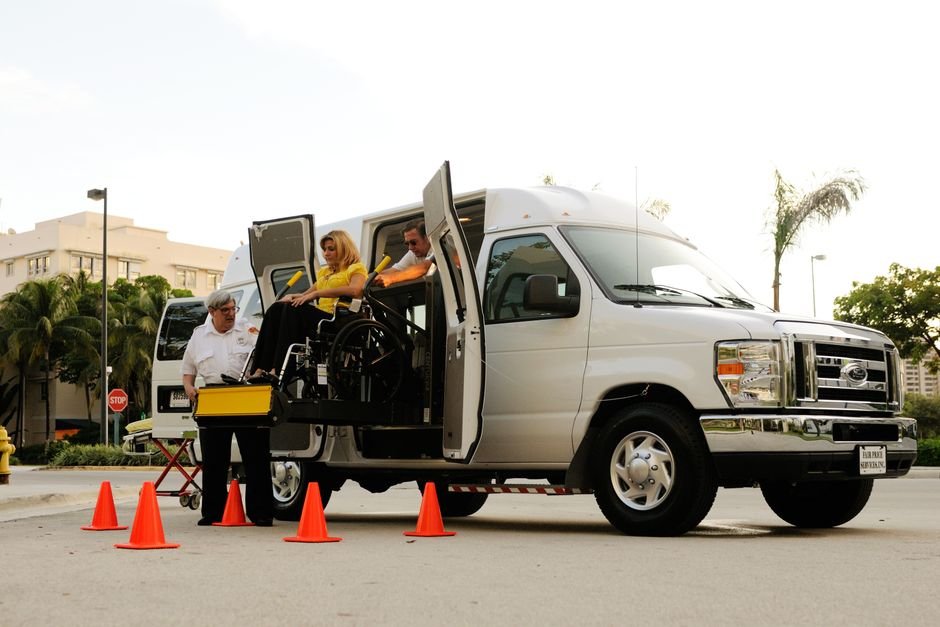
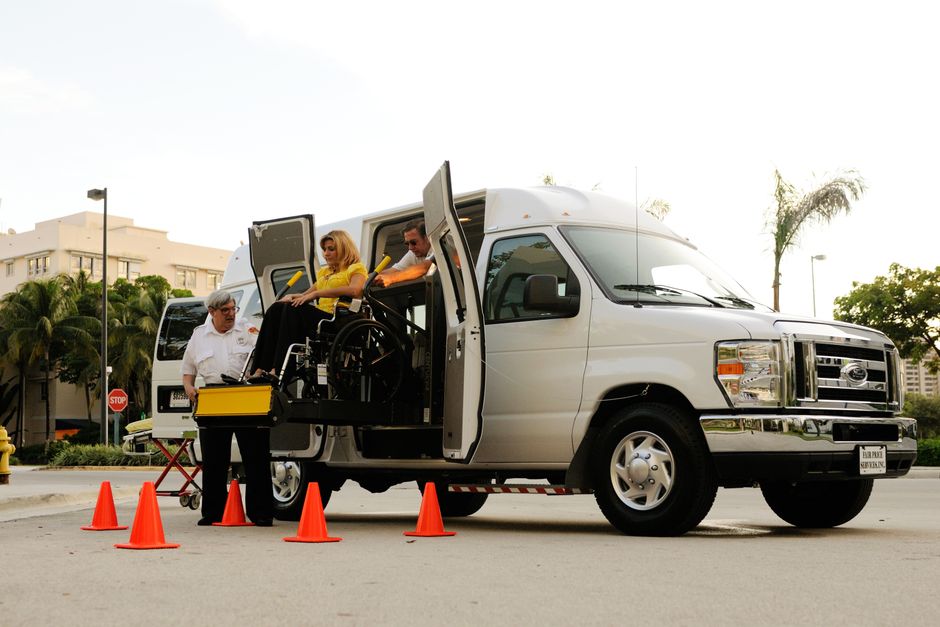
The VA automobile allowance and adaptive equipment benefits help certain veterans with severe service-connected disabilities buy a vehicle and outfit it so they can actually drive it — or ride in it safely. The allowance is a one-time payment the VA sends to the seller toward a car, van, or other conveyance; the adaptive-equipment grant is a separate, repeatable benefit that pays for items like hand controls, wheelchair lifts, and power seats. For households dealing with mesothelioma, the honest picture is mixed: the diagnosis by itself does not qualify, but the complications that sometimes follow a service-connected illness can. This guide explains what each benefit covers, who realistically qualifies, how VA Form 21-4502 works, and where to get free help — without overpromising anything.
Part 1: What these two benefits actually are
Congress created these benefits in Title 38 of the U.S. Code, and the VA implements them through 38 CFR § 3.808. They are two distinct things that are often applied for together:
- The automobile allowance is a one-time payment toward the purchase of an automobile or other conveyance. The VA pays it directly to the seller, not to the veteran, and it can be used only once in a lifetime.
- Adaptive-equipment grants pay for equipment that makes a vehicle drivable or accessible — and unlike the allowance, this benefit can be used more than once. The VA may generally provide adaptive equipment for up to two vehicles within any four-year period.
The authoritative starting point is the VA’s automobile allowance and adaptive equipment page, which carries the current payment amount and application instructions. Everything in this article points back to that page and the regulation behind it.
Part 2: Who qualifies — the specific service-connected losses
Eligibility is defined by specific disability findings, not by a diagnosis or a percentage rating alone. For the automobile allowance, a veteran (or eligible service member) generally must have a service-connected disability that includes at least one of the following:
- Loss, or permanent loss of use, of one or both feet;
- Loss, or permanent loss of use, of one or both hands;
- Permanent impairment of vision in both eyes to a legally defined degree;
- A severe burn injury as defined by the VA; or
- Service-connected amyotrophic lateral sclerosis (ALS).
For adaptive equipment only, the door is slightly wider: veterans with service-connected ankylosis (immobility) of one or both knees or hips may qualify for the equipment grant even though they do not qualify for the allowance itself. “Loss of use” is a legal-medical finding that a limb no longer functions effectively — for example, a foot that can no longer bear weight or control a pedal — and it is decided on the evidence in your VA file, usually including an examination. The concept is the same one used elsewhere in VA law, and it must appear in a rating decision before these vehicle benefits can be granted.
Part 3: Where mesothelioma fits — an honest assessment
A mesothelioma diagnosis, even one rated 100% service-connected, is not on the eligibility list by itself. Breathlessness and fatigue — the symptoms that most often take away a veteran’s ability to drive comfortably — do not meet the statutory criteria for these particular benefits. We will not tell you otherwise.
That said, some veterans in this community do become eligible through complications that are medically linked to a service-connected condition or its treatment. Examples include neuropathy from chemotherapy that progresses to loss of use of the feet or hands, a stroke or spinal complication resulting in loss of use of the lower extremities, or a separately service-connected condition that independently meets the criteria. The key is that the qualifying loss must itself be service-connected — usually as secondary to the original condition — and documented in a rating decision. If that describes your situation, the same evidence may also support higher compensation; our guide to the mesothelioma VA disability rating explains how ratings are built, and veterans whose disease prevents work should also read about TDIU for mesothelioma veterans. A veteran who does not qualify for these vehicle benefits may still have real transportation help available through other VA programs — see Part 7.

Part 4: How much the automobile allowance pays
The allowance is adjusted every year on October 1. As of the 2026 figures it is a one-time payment of a little over $26,000 — but do not plan around any number printed in an article; confirm the current amount on the official VA page before you shop. Three practical rules shape how the money works:
- It goes to the seller. After approval, the VA issues the payment to the dealer or seller as part of the purchase, rather than reimbursing the veteran. Get VA approval before you buy — a vehicle purchased before the VA authorizes the allowance generally cannot be covered retroactively.
- It is once per lifetime. Choose the vehicle with your long-term needs in mind — for many families that means a van or SUV that can accept a lift or ramp later, even if it is not needed on day one.
- It does not have to cover the whole price. The allowance can be combined with your own funds, trade-in value, or financing; it simply reduces what you owe.
Part 5: What adaptive equipment covers — and how it repeats
The adaptive-equipment benefit is administered largely through the Veterans Health Administration’s prosthetics service, and it is broader than most families expect. Depending on the medical need, covered items can include:
- Driving controls: hand controls for brake and accelerator, left-foot accelerators, steering knobs, and reduced-effort or zero-effort steering and braking systems;
- Access equipment: wheelchair lifts, in-floor or fold-out ramps, lowered floors, raised roofs and doors, and power transfer seats;
- Comfort-and-safety items tied to the disability: power steering, power brakes, power windows, power seats, and air conditioning where medically indicated, plus approved modifications needed so the veteran can safely ride as a passenger rather than drive.
Unlike the one-time allowance, adaptive equipment may generally be provided for up to two vehicles in any four-year period, which matters as vehicles wear out or needs change. The VA can also pay for repair, replacement, and reinstallation of covered equipment, and driver-rehabilitation training is available through VA medical centers so a veteran learns the new controls safely. Details are on the VA prosthetics service’s Automobile Adaptive Equipment program page.
Part 6: How to apply — VA Form 21-4502 and the medical track
There are two application paths, and which one you use depends on what you are asking for:
- For the allowance (with or without adaptive equipment): VA Form 21-4502, the Application for Automobile or Other Conveyance and Adaptive Equipment. File it online through VA.gov, by mail, or with free help from an accredited representative. If your eligibility (the qualifying loss) is already established in a rating decision, the VA completes its portion and returns a certified copy — that certificate is what you bring to the seller so the VA can pay its share. The form and instructions are at VA.gov’s Form 21-4502 page.
- For adaptive equipment only (for example, a veteran with ankylosis of the knees, or equipment for a second vehicle): apply through the VA health care side with VA Form 10-1394, submitted to the prosthetics office at your VA medical center, typically with a clinician’s supporting documentation.
If the qualifying loss is not yet service-connected, that claim comes first — usually as a secondary-service-connection claim supported by medical evidence linking the new loss to the already service-connected condition. Preserving your effective date matters while that evidence comes together; our guide to the VA intent-to-file process explains how to lock in a date before the paperwork is complete.

Part 7: Where to get help — and what to use if you do not qualify
Free, accredited help is the rule in this system, not the exception. A Veterans Service Officer from the DAV, VFW, American Legion, or your county veterans office can review your rating decision, tell you quickly whether a qualifying finding is already in your file, and prepare Form 21-4502 or a secondary claim at no charge. Our comparison of a claims agent, VSO, and attorney explains who does what. Mobility-equipment dealers can be helpful on the technical side, but eligibility and approval always come from the VA — be cautious with any seller who promises the benefit before the VA has certified it.
If you do not meet the criteria for these benefits, transportation help may still exist: the VA’s Beneficiary Travel program reimburses eligible veterans for mileage to VA-authorized appointments, many VA medical centers run DAV-partnered shuttle networks, and the prosthetics service can supply wheelchairs, scooters, and other mobility equipment for daily life even when vehicle modification is not covered. Ask your VA social worker to map the options for your situation, and see the compensation overview at benefits.va.gov for the wider menu of disability benefits.
Frequently Asked Questions
Does a 100% mesothelioma rating automatically qualify me for the automobile allowance? No. Eligibility requires a specific service-connected finding — such as loss or permanent loss of use of a foot or hand, qualifying vision loss, severe burns, or ALS — not a percentage rating. Some veterans qualify later through service-connected complications.
Can the allowance be used more than once? No. The automobile allowance is a one-time, once-per-lifetime payment. Adaptive-equipment grants, by contrast, can generally be used for up to two vehicles in a four-year period.
Can I buy the car first and get reimbursed? Generally no. The VA pays the seller after approval, and purchases made before authorization are usually not covered. File Form 21-4502 and wait for the certified approval before completing the purchase.
Does the vehicle have to be new? No. The allowance can be applied to a new or used automobile or other conveyance purchased from a seller, subject to VA approval of the transaction.
Can adaptive equipment be installed so I can ride as a passenger rather than drive? Yes. Equipment that allows a qualifying veteran to safely enter, exit, and ride in the vehicle — such as lifts, ramps, and transfer seats — can be covered even when the veteran will not be the driver.
Who pays for repairs to the equipment? The VA can cover repair, replacement, and reinstallation of adaptive equipment it has provided. Coordinate through the prosthetics office at your VA medical center.
Resources
- VA — Automobile Allowance and Adaptive Equipment — eligibility, the current payment amount, and how to apply.
- VA — About VA Form 21-4502 — the application form and instructions.
- VA Prosthetic and Sensory Aids Service — Automobile Adaptive Equipment — the medical-side program, including Form 10-1394.
- 38 CFR § 3.808 — the regulation defining eligibility.
- Find free help: locate an accredited Veterans Service Officer through the VA’s representative search at VA.gov or through the DAV, VFW, or American Legion.
Final Thoughts: Mobility Is a Benefit You May Have Already Earned
A vehicle that a veteran can actually use is not a luxury — it is the difference between managing appointments, family life, and independence, and depending on others for every mile. The VA automobile allowance and adaptive equipment benefits exist for exactly that reason, and while their eligibility rules are narrow, they are worth checking carefully: the qualifying finding may already sit in your rating decision, or may belong in a secondary claim you have not filed yet. Ask a Veterans Service Officer to look, apply before you buy, and let the VA’s own pages — not a dealer’s sales pitch — define what you are entitled to. These benefits were earned; if they fit your file, use them.
Disclaimer: This article is for informational purposes only and does not constitute medical, legal, or financial advice, nor does it create an attorney-client relationship. VA benefit amounts and eligibility rules change over time, and every claim is decided on its own facts. Always confirm current details at VA.gov and consult a VA-accredited attorney, claims agent, or Veterans Service Officer, and your VA care team, about your situation.