This site is independent and is not affiliated with, endorsed by, or sponsored by the U.S. Department of Veterans Affairs (VA) or any government agency. For official information, visit VA.gov.
This article is for general information only and is not medical, legal, or financial advice, and it does not create an attorney-client relationship. Consult your VA care team and a VA-accredited representative about your situation.
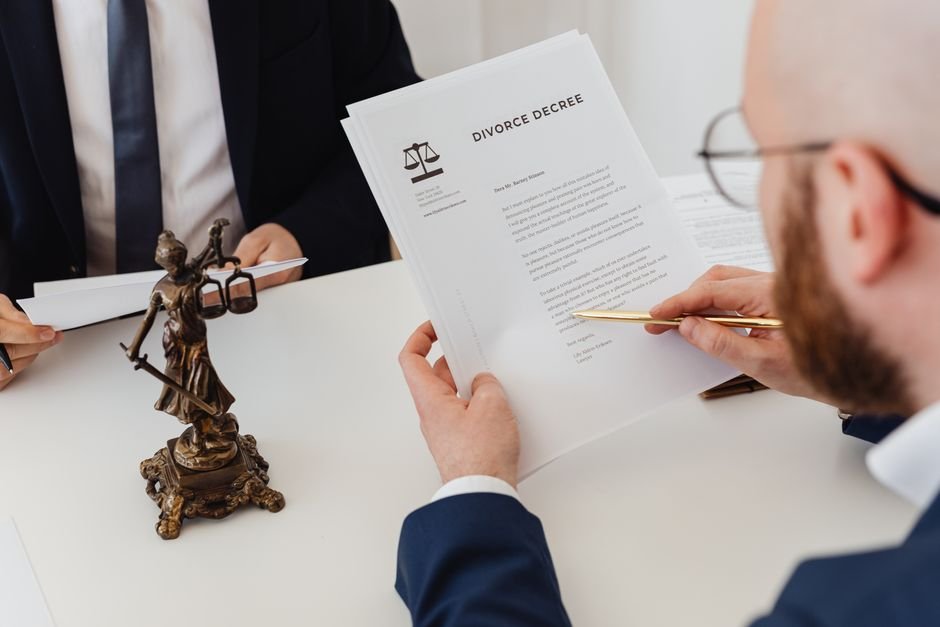
A VA-accredited attorney for mesothelioma claims is a lawyer the VA has formally authorized to represent veterans in the disability claims and appeals process, held to the agency’s standards of conduct and its strict rules on fees. Mesothelioma claims are often medically straightforward once asbestos exposure is documented, so many veterans never need paid help at all. But some situations — a denial, a low rating, a tangled exposure history, or a complex survivor case — are exactly where accredited representation earns its place. This guide explains what accreditation actually means, when hiring an attorney makes sense, what such a lawyer can and cannot do, and how the fee rules protect you.
Part 1: What “VA-accredited” actually means
Accreditation is not a marketing label; it is a status the VA grants. To represent veterans before the VA, an attorney, claims agent, or Veterans Service Officer must be accredited by the agency, which means they have met character and fitness requirements, demonstrated knowledge of veterans law, and agreed to follow VA rules. The agency keeps a searchable list of accredited representatives, and you can confirm anyone’s status before you sign anything. The VA explains the accreditation system and how to verify a representative on its accredited representative page. The simple rule worth remembering: only accredited individuals may legally assist you with a VA claim, and you should always confirm status before paying a cent.
Part 2: A VA-accredited attorney is not the same as an asbestos lawyer
This distinction trips up many families. A VA-accredited attorney handles your claim against the Department of Veterans Affairs — service connection, ratings, and appeals within the VA system. An asbestos or mesothelioma lawyer, by contrast, typically pursues private claims against the companies that manufactured asbestos products, through lawsuits or asbestos bankruptcy trust funds. Those are separate tracks with separate rules, and pursuing a private claim generally does not reduce VA benefits. Some firms handle both, but they are distinct legal services. Our guide on whether veterans can claim both an asbestos trust fund and VA benefits walks through how the two paths fit together without canceling each other out.
Part 3: When you probably do not need a paid attorney
Honesty matters here: many veterans file successful mesothelioma claims with no paid lawyer at all. For a straightforward initial claim — a clear diagnosis, a documented exposure history, and Navy or shipyard service where asbestos was common — a free accredited Veterans Service Officer at the VFW, DAV, or American Legion can prepare and submit everything at no charge. Our companion guide to how the VA mesothelioma claim works, including the timeline, shows just how predictable that first-time process usually is. If your case is clean and your evidence is in order, free help is often all you need, and it is a real option, not a consolation prize.

Part 4: When a VA-accredited attorney is worth it
Certain situations genuinely call for accredited legal representation, and recognizing them early can protect your benefits and your timeline:
- A denial or a low rating. Appeals involve legal arguments, deadlines, and evidence development that an experienced attorney handles well.
- A complicated exposure history. Mixed military and civilian asbestos exposure, missing service records, or a contested medical link can require careful legal and medical argument.
- A higher-level review or Board appeal. Once a claim moves into the formal decision-review system, the stakes and the procedure both rise.
- Complex survivor or accrued-benefit claims. Cases involving Dependency and Indemnity Compensation or benefits owed after a veteran’s death can be legally intricate.
- Effective-date or back-pay disputes. When the date benefits begin is contested, the dollars at stake can be substantial.
In these scenarios, an attorney’s familiarity with veterans law and the appeals process can be the difference between another denial and a grant. The VA’s overview of the decision review options explains the supplemental claim, higher-level review, and Board appeal lanes where representation tends to matter most.
Part 5: What a VA-accredited attorney actually does
A good VA-accredited attorney for mesothelioma claims does more than fill out forms. They review your file for weaknesses before the VA does, identify the evidence that will carry the most weight, and develop the medical opinion that links your diagnosis to in-service exposure. They make legal arguments about service connection, ratings, and effective dates; they meet filing deadlines that a stressed family can easily miss; and they manage correspondence with the VA so your energy goes toward your health rather than paperwork. In an appeal, they frame the case the way the decision-reviewers and the Board expect to see it. What they cannot do is guarantee an outcome or speed up the VA by force — no one can promise a result, and any representative who does is a warning sign.
Part 6: How attorney fees work — and the rules that protect you
This is where VA accreditation protects veterans most directly. By law, an accredited attorney or claims agent generally cannot charge a fee for helping with an initial claim. Fees usually become permissible only after the VA issues an initial decision and you move into the appeals process, and even then the fee must be reasonable and is subject to VA review. Many veterans-law attorneys work on a contingency basis tied to past-due benefits, meaning they are paid only if they win back pay. The VA sets out these fee rules on its accreditation pages, and you should never pay an upfront fee for an initial claim. Always get the fee agreement in writing, confirm the attorney’s accredited status first, and remember that free help from a Veterans Service Officer remains available throughout.

Part 7: How to find and vet an accredited attorney
Finding the right representative is a careful, unhurried process even when the diagnosis is urgent. Start with the VA’s official accreditation search to confirm anyone is actually accredited and in good standing. Look for attorneys who concentrate in veterans benefits law and who have handled asbestos or mesothelioma cases specifically, since the exposure documentation has its own rhythm. Ask how fees are structured, whether they expect to work on the existing claim or an appeal, and who in the office will actually handle your file. Be cautious with aggressive advertising, guaranteed-outcome promises, and any pressure to sign immediately. A trustworthy attorney explains your free options honestly and never rushes a grieving or unwell family into a contract.
Frequently Asked Questions
Do I need an attorney to file a VA mesothelioma claim? No. Initial claims can be filed free with help from an accredited Veterans Service Officer. Attorneys are most useful for appeals and complex cases.
How do I confirm an attorney is VA-accredited? Use the VA’s official accredited representative search, or ask the attorney for their accreditation details and verify them before signing anything.
Can a VA-accredited attorney charge for my first claim? Generally no. VA rules typically bar fees for an initial claim; fees usually apply only after an initial decision, during appeals, and must be reasonable.
Is a VA-accredited attorney the same as a mesothelioma lawyer? Not necessarily. VA accreditation covers claims against the VA; private asbestos lawsuits and trust-fund claims are a separate legal track, though some firms handle both.
What if I cannot afford an attorney? Free, accredited Veterans Service Officers through the VFW, DAV, and American Legion assist at no charge, including with many appeals.
Resources
- VA — Get help from an accredited representative
- VA — Decision reviews and appeals
- VA — How to file a disability claim
- VA — Find a Veterans Service Officer
- For free, in-person help, contact an accredited Veterans Service Officer through the VFW, DAV, or American Legion.
Final Thoughts: Use Free Help First, Hire Wisely When the Stakes Rise
A VA-accredited attorney for mesothelioma claims is a powerful resource in the right circumstances — an appeal, a low rating, a complex exposure history, or a contested survivor case — but not every veteran needs one. The smartest path is usually to start with free accredited help for a straightforward first claim, then bring in a qualified veterans-law attorney if the case turns complicated or the VA gets it wrong. Whatever you decide, confirm accreditation, get fee terms in writing, and never let anyone rush you. Our overview of benefits for Navy veterans exposed to asbestos can help you map what is at stake before you choose how to pursue it.
Disclaimer: This article is for informational purposes only and does not constitute medical, legal, or financial advice, nor does it create an attorney-client relationship. VA procedures, accreditation rules, fee limits, and processing times change over time and every claim is decided on its own facts. Always confirm current details at VA.gov and consult a VA-accredited attorney, claims agent, or Veterans Service Officer, and your VA care team, about your situation.